Transforming Your Bonus Room: The Ultimate Styling Guide for Multi-Functional Spaces
Hey there, fellow home design enthusiasts! Let’s dive into the world of bonus room styling that’ll make your space work harder than a caffeinated entrepreneur.
🏠 Steal This Look
- Paint Color: Sherwin-Williams Agreeable Gray SW 7029
- Furniture: Modular sectional with storage ottoman, convertible sleeper sofa, nesting tables, wall-mounted fold-down desk
- Lighting: Adjustable track lighting with dimmer switches, plug-in swing arm wall sconces, LED under-cabinet task lighting
- Materials: Performance fabric upholstery, engineered wood shelving systems, cork board accent wall, washable flat-weave rugs
I’ve seen too many bonus rooms become glorified storage dumps because people couldn’t commit to a purpose—start with how you actually live, not how you think you should.
What Makes a Bonus Room Awesome?
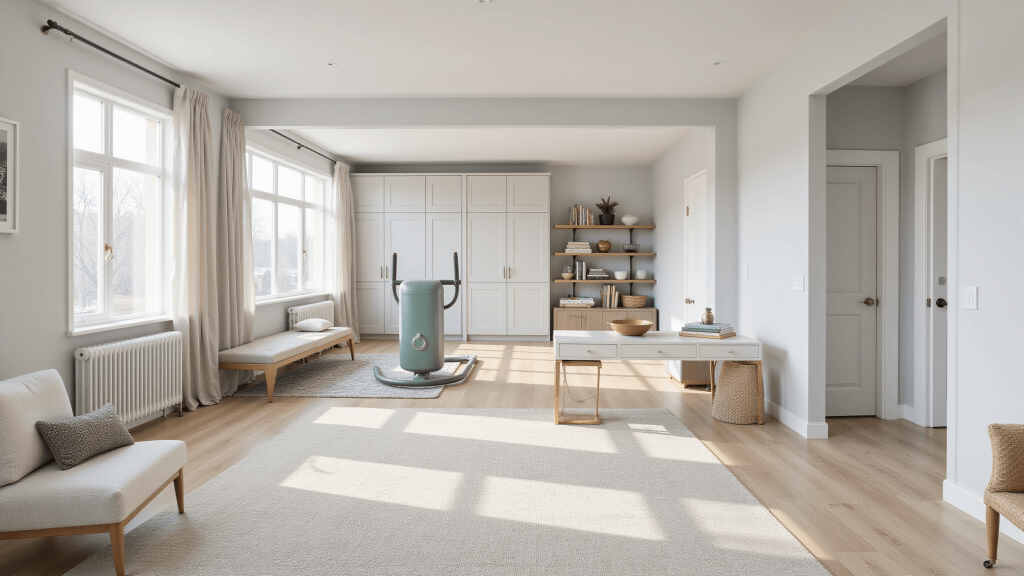
Imagine a room that’s part office, part gym, part chill zone – and 100% your personal paradise. That’s the magic of a well-designed bonus room. I’ve spent countless hours transforming awkward spaces into functional masterpieces, and I’m about to spill all my secrets.
Quick Reality Check: What You’ll Need
Gear Checklist:
- A camera (your smartphone works perfectly)
- Some killer lighting
- Creative props
- A budget that won’t make your wallet cry
The Budget Breakdown
Okay, let’s talk money. Your bonus room transformation can cost anywhere from $500 to $3,000. Don’t panic – I’ll show you how to maximize every single dollar.
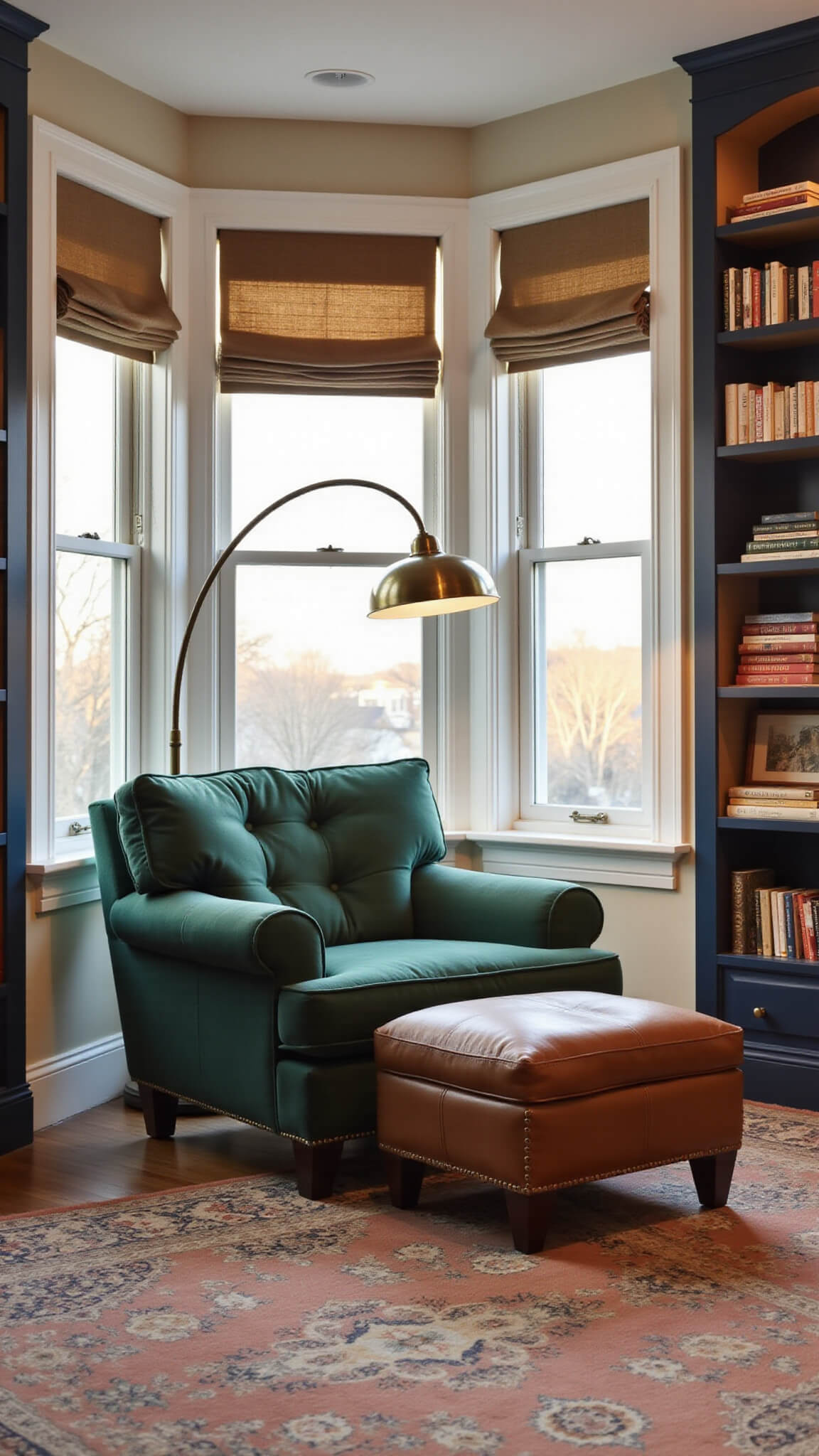
💡 Steal This Look
- Paint Color: Benjamin Moore Simply White OC-117
- Furniture: Modular sectional with built-in storage ottoman, adjustable-height standing desk for work-to-workout transitions, wall-mounted folding Murphy bed for guests
- Lighting: Layered system: recessed dimmable cans for general illumination, adjustable track lighting for task zones, LED strip lighting behind floating shelves for ambient glow
- Materials: Cork flooring for sound dampening and exercise resilience, washable performance fabric upholstery, powder-coated steel for gym equipment integration, reclaimed wood accent wall for warmth
I’ve learned that the bonus rooms people actually use are the ones that don’t try too hard to be impressive—they just work hard. My own started as a ‘home theater’ I never watched movies in; once I embraced the chaos of multi-purpose, it became the room everyone gravitates toward.
Design Styles That Actually Work
Color Palette Magic
Stick to these color rules:
- Neutral base (white, gray, beige)
- Bold accent colors (navy, emerald, terracotta)
Pro tip: Neutral doesn’t mean boring. It means versatile.
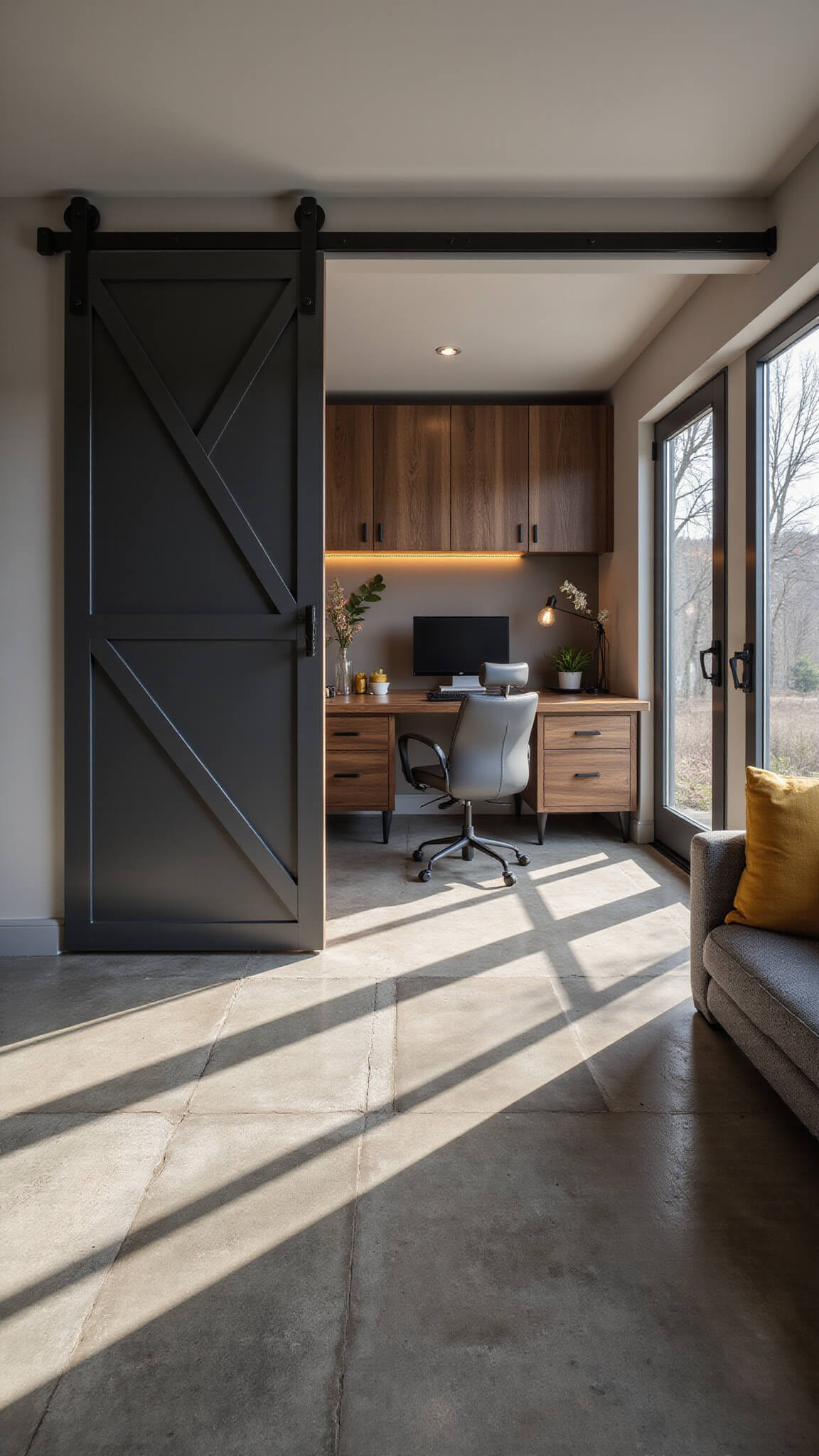
💡 Steal This Look
- Paint Color: Farrow & Ball Wimborne White 239
- Furniture: Modular sectional with washable slipcovers, nesting ottomans with storage, wall-mounted floating desk for flexible workspace conversion
- Lighting: Adjustable track lighting with dimmable LED spots, oversized floor lamp with linen shade for zone definition
- Materials: Woven jute area rug, reclaimed wood accent wall, matte ceramic planters, brushed brass hardware
I’ve seen too many bonus rooms feel like afterthoughts because people played it too safe; that terracotta accent wall behind a reading nook transforms ‘storage overflow’ into ‘intentional retreat.’
Photography Secrets for Capturing Your Space
Lighting is Everything
Best Times to Shoot:
- Morning: 9-11 AM
- Afternoon: 3-5 PM
Lighting Hacks:
- Use ring lights
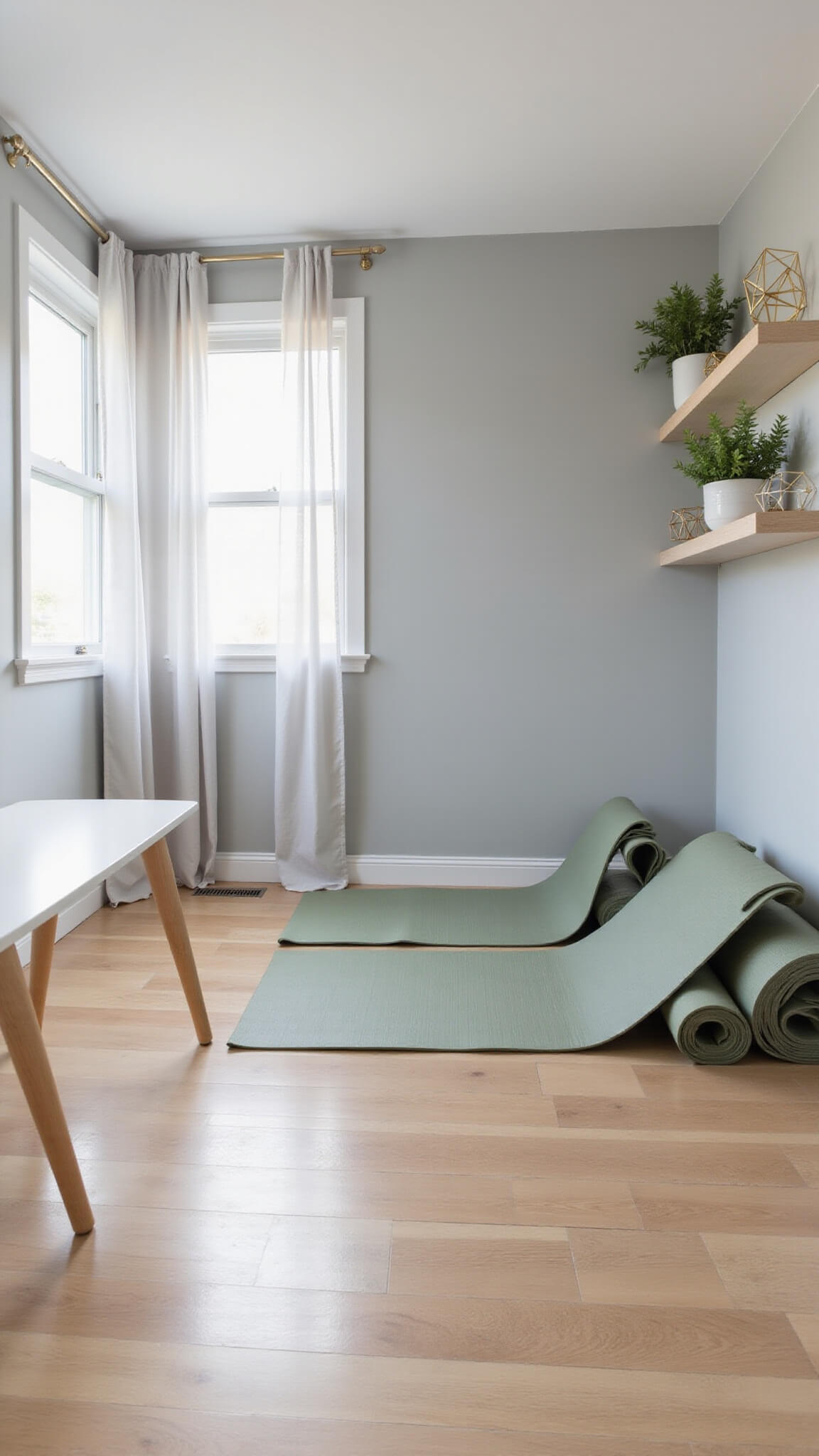
- Grab some sheer curtains for soft, dreamy light
- Natural light is your bestie
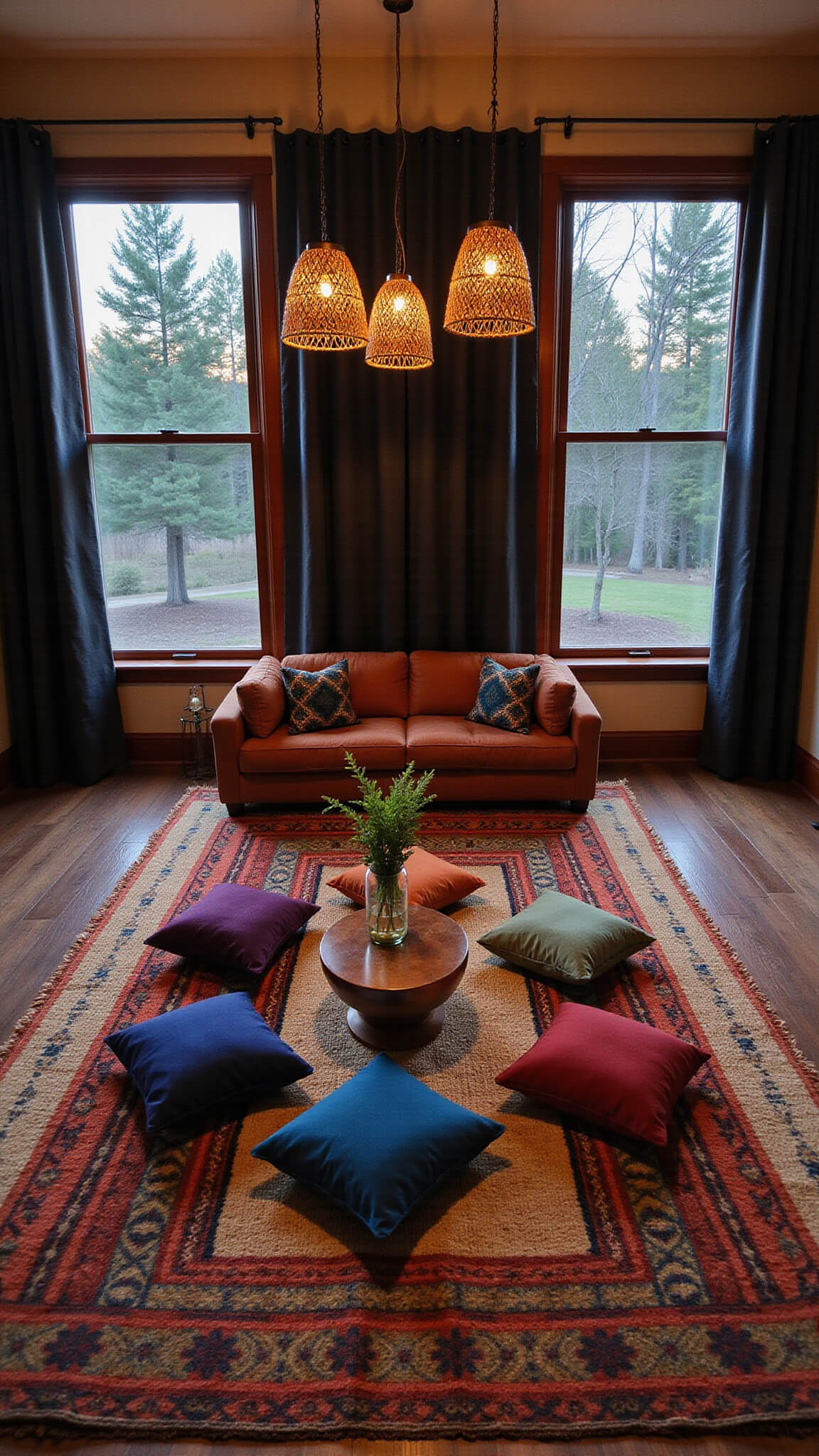
★ Steal This Look
- Paint Color: Behr Polar Bear 75
- Furniture: minimalist photography backdrop stand with neutral gray or white seamless paper
- Lighting: adjustable LED ring light with tripod stand and phone holder
- Materials: sheer white linen curtains, white foam bounce boards, neutral fabric backdrops
I learned this the hard way after dozens of disappointing photos—now I keep a dedicated sheer curtain panel clipped to a tension rod just for impromptu shoots when the light hits right.
Multi-Functional Furniture Strategies
Modular is the New Black
Look for furniture that:
- Transforms
- Stores stuff
- Looks sexy doing both
Budget-Friendly Prop Ideas:
- Thrifted frames
- Repurposed storage crates
- Rotating seasonal decor
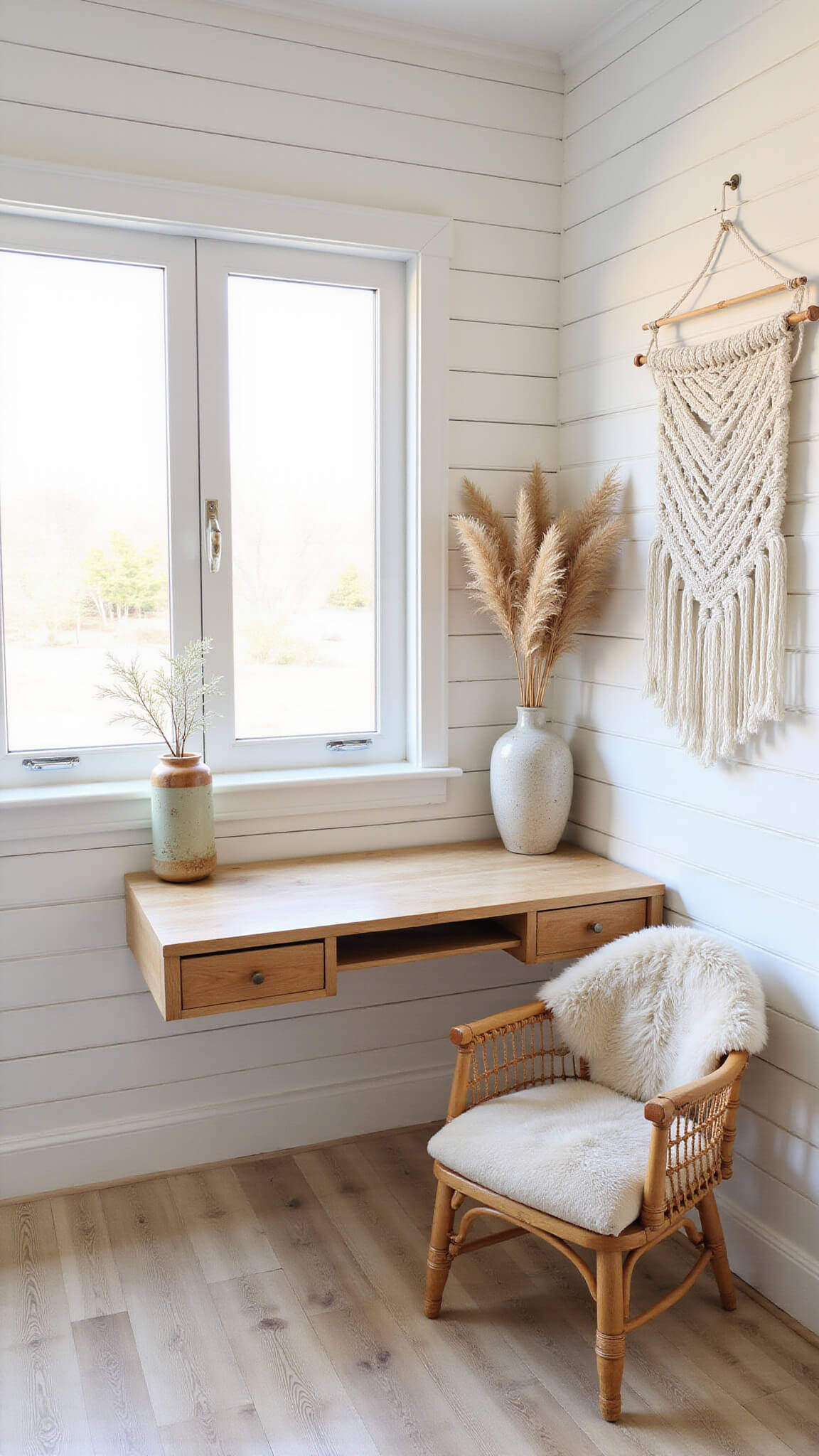
★ Steal This Look
- Paint Color: Valspar Swiss Coffee 7002-16
- Furniture: Modular sectional with hidden storage compartments, nesting ottomans that double as coffee tables, wall-mounted fold-down desk for hybrid office-guest use
- Lighting: Adjustable track lighting with dimmable LED heads to shift from task lighting for workspaces to ambient glow for movie nights
- Materials: Performance fabrics resistant to stains and wear, powder-coated steel frames for durability, reclaimed wood accents for warmth
I learned this the hard way in my own bonus room—a beautiful vintage credenza looked stunning but collected dust until I swapped it for a storage ottoman that holds board games and doubles as extra seating during game nights.
DIY Difficulty: Beginner Friendly
Don’t stress. This guide is designed for:
- First-time decorators
- Design enthusiasts
- Anyone with a pulse and some creativity
Time Investment
- Styling time: 2-3 hours
- Photography: 1-2 hours
- Total project: About 4-5 hours
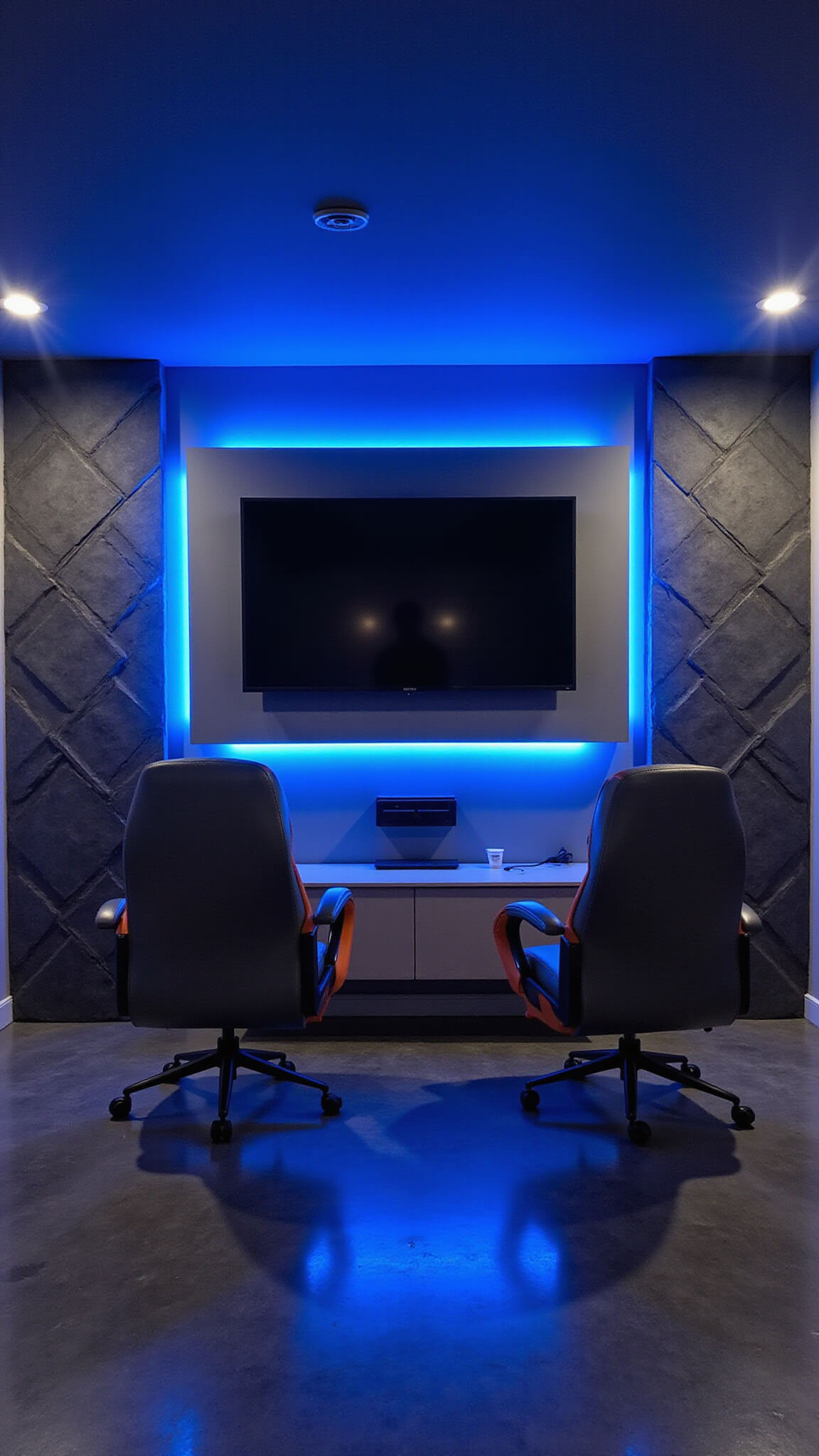
✎ Steal This Look
- Paint Color: PPG Swiss Coffee PPG1097-1
- Furniture: Modular sectional sofa with washable slipcovers, nesting ottomans with storage, and a convertible sleeper chair for flexible bonus room layouts
- Lighting: Plug-in swag pendant with dimmable LED bulb and adjustable cord length for renters
- Materials: Removable peel-and-stick wallpaper panels, command strip picture hanging system, and machine-washable cotton canvas slipcovers
There’s something deeply satisfying about transforming an underused bonus room in a single afternoon—I’ve seen complete beginners create spaces that feel intentional and collected, not decorated, simply by trusting the process and not overthinking every decision.
Pro Tips That’ll Save Your Sanity
- Use portrait mode on your phone
- Enable gridlines for perfect composition
- Mix textures like a design ninja
What Not to Do
Bonus Room Fails to Avoid:
- Overcrowding the space
- Ignoring functionality
- Matching everything perfectly (boring!)
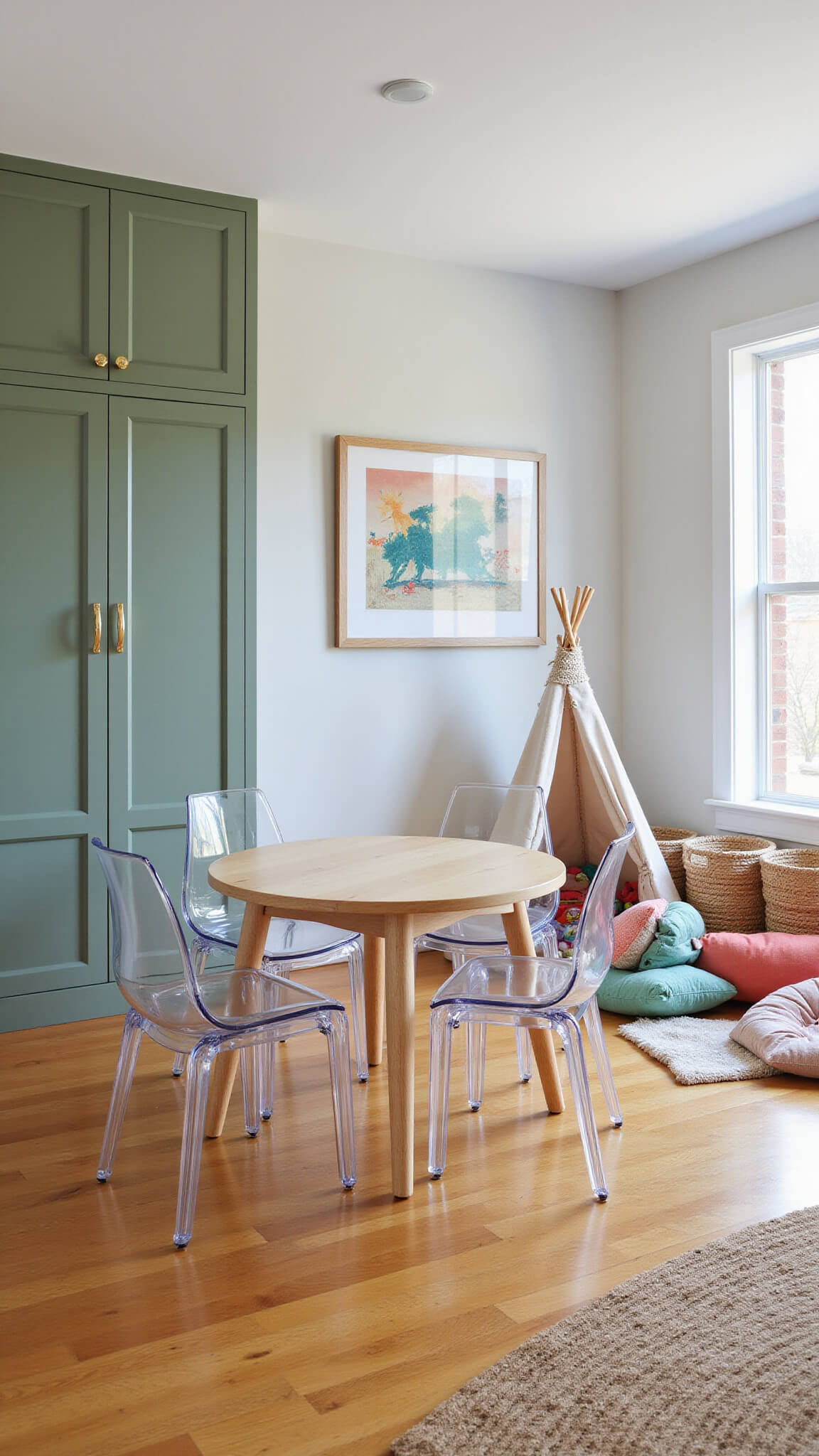
🌟 Steal This Look
- Paint Color: Dunn-Edwards Whisper White DET648
- Furniture: modular sectional with removable covers for flexible bonus room layouts
- Lighting: adjustable track lighting with dimmer for multi-use bonus room activities
- Materials: layered performance fabrics, natural wood accents, and acoustic panels for sound control
I’ve seen too many bonus rooms become storage graveyards because owners tried to cram in every idea at once—start with one primary function and let the room breathe.
Final Thoughts
Your bonus room isn’t just a room. It’s a canvas. A potential. A blank slate waiting for your personal magic.
Remember: Great design isn’t about perfection. It’s about personality.
Go forth and create something amazing.
Disclaimer: Results may vary. Creativity is not guaranteed, but fun is.