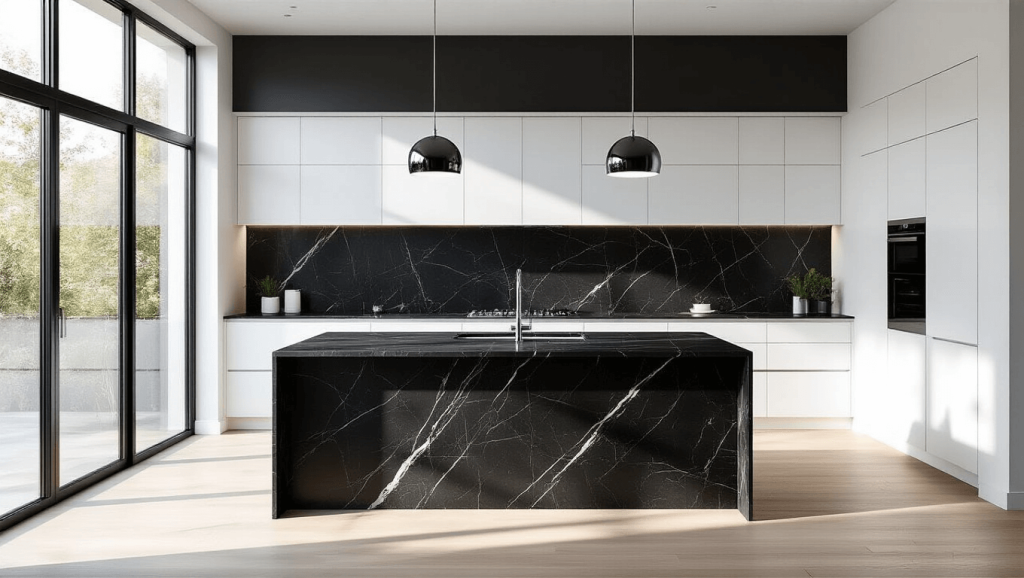
I planned a client’s kitchen around a pale stone island and kept the uppers plain, and the room finally felt open without going cold. declutter kitchen countertops follow that same calm: lighter surfaces, a real work zone, and fewer gadgets sitting out.
Like many busy households, mine struggled with surfaces that became catch-alls for life’s chaos. But here’s what changed everything: small, intentional steps that turned frustration into freedom. This isn’t about perfection—it’s about creating room to breathe, cook, and connect.
You’ll find strategies here that respect your time and energy. We’ll tackle why items pile up (spoiler: it’s rarely just about “being messy”) and how to create systems that stick. Imagine starting your day with clear counters instead of visual noise—that relief is closer than you think.
Let’s walk through realistic fixes that fit real life. Because when your most-used room feels inviting, everything else falls into place.
Understanding the Clutter Dilemma on Your Kitchen Counter
Walking into my house after grocery shopping last week, I nearly tripped over a pile of library books beside the toaster. That’s when I realized: our most-used surfaces become magnets for chaos. Let’s explore why this happens and how to spot trouble zones before they spiral.
Where Chaos Likes to Hide
Every home has areas that collect random items like sticky notes or charging cables. In my case, the space near the fridge became a graveyard for permission slips and expired coupons. Through trial and error, I identified three main clutter types:
| Clutter Type | Root Cause | Common Items |
|---|---|---|
| Homeless Objects | No permanent storage spot | Keys, receipts, school forms |
| Routine Rebels | Missed daily habits | Dirty dishes, mail piles |
| New Arrivals | No intake system | Toys, delivery packages |
When Mess Affects More Than Looks
A crammed workspace makes simple tasks frustrating. I once burned grilled cheese because I couldn’t find the spatula under art supplies. Constant visual noise also drains mental energy—especially when you’re trying to relax or connect with family.
Children feel this strain too. My niece once asked, “Why does our eating spot look angry?” That moment showed me how physical clutter creates emotional weight. Clearing space isn’t about perfection—it’s about creating room for what truly matters.
My Personal Journey to a Clutter-Free Kitchen
The day I ducked behind my living room couch to avoid a neighbor still haunts me. Through the window, I saw her confused expression as she knocked again. My crime? A breakfast disaster zone with syrup-coated plates, a science-experiment coffee mug, and surfaces buried under school flyers.
Why I Decided Enough Was Enough
For months, I’d play organization whack-a-mole. Empty a drawer here, stuff expired coupons there. My husband joked we needed GPS to find the spatula. The breaking point came when my daughter asked why our home felt “itchy” – her word for that tense, crowded feeling.
Three failed attempts taught me brutal lessons:
- Speed-cleaning created hidden chaos (hello, mismatched Tupperware graveyard)
- Perfect Pinterest systems crumbled under real-life demands
- My “temporary” piles became permanent residents
The turnaround began when I stopped chasing spotless and started embracing functional. Instead of marathon weekend cleanups, I did 7-minute daily sweeps. Rather than fancy bins, I used what we already owned. Progress, not perfection, became the mantra.
Now, our space works for us – not the other way around. And that neighbor? She finally caught me mid-cleanup last week. “Your kitchen always looks so lived-in,” she smiled. High praise from someone who once saw me hiding behind furniture.
Preparing and Planning Your Counter Decluttering Project
Last month, I found myself staring at a blender buried under takeout menus while trying to prep dinner. That’s when I realized: success starts long before the first item gets tossed or stored. Let’s map out your strategy for lasting change.
Setting Clear Goals for Your Kitchen
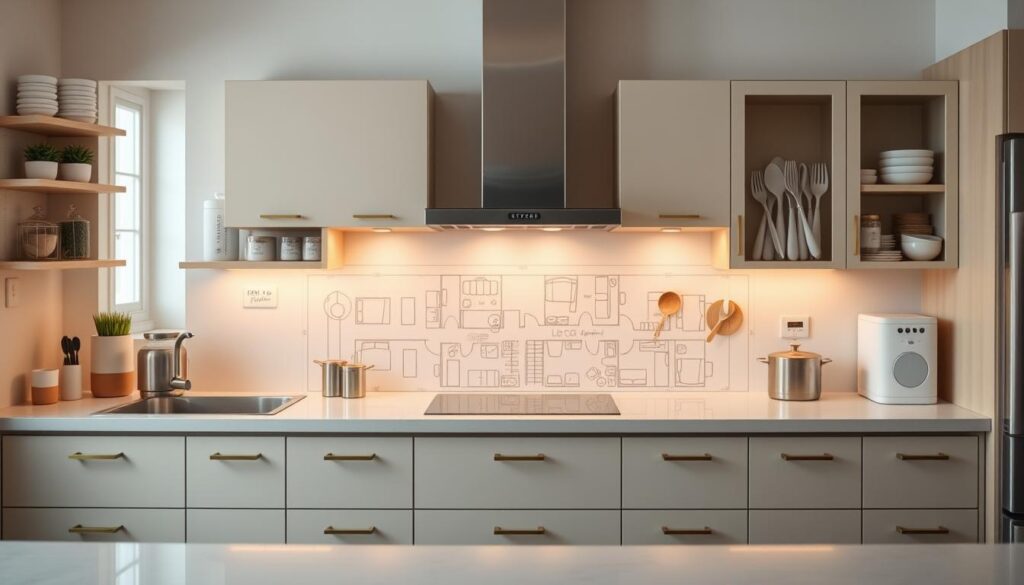
Start by asking: “What do I want this area to do for us?” My own breakthrough came when I focused on three priorities: quick breakfast prep, homework supervision, and stress-free coffee mornings. Professional organizers swear by the “home for everything” rule – I used sticky notes to tag what deserved prime counter real estate.
Try this exercise: List your top five daily activities. If your coffee station lives where you actually brew it, you’re golden. If not? Time to shuffle. Vertical racks for spices and a catch-all tray for mail transformed my workflow without fancy systems.
Assessing Your Counter Space and Needs
Grab a measuring tape and notepad. I discovered 18 inches of unused wall space beside my fridge – perfect for hanging measuring cups. Track what actually gets used weekly versus what’s just taking up room. That avocado slicer I used once? Cabinet exile.
Remember: Your family’s habits dictate success. My night-owl teen needed a late-night snack zone, so we designated one corner with airtight containers. Closed storage became our best friend for less-used appliances, freeing surfaces for what matters most.
How to Declutter Kitchen Countertops: A Step-by-Step Guide
Last Tuesday, I timed how long it took to clear my workspace before making lunch—seven frustrating minutes. Here’s the system that cut that time to ninety seconds while keeping surfaces functional. Follow these actionable steps to transform chaos into order without marathon cleaning sessions.
Tackling Surface Clutter Quickly
Start with a five-minute sweep using this priority list. I keep a collapsible bin nearby for quick sorting:
| Step | Action | Impact |
|---|---|---|
| 1 | Remove trash & recyclables | Clears 40% of items instantly |
| 2 | Relocate dishes | Creates prep space |
| 3 | Return misplaced objects | Reduces decision fatigue |
| 4 | Wipe surfaces | Boosts visual calm |
Implementing Practical, Realistic Steps
After the initial cleanup, set daily micro-habits. I use a “three-item rule” while waiting for coffee to brew: put away spices, wipe spills, and check the fruit bowl for overripe items.
Designate specific zones for frequent tasks. My coffee station lives beside the sink with mugs underneath. Charging cables moved to a labeled drawer, freeing up prime counter real estate for meal prep.
Remember: progress beats perfection. If I only manage step one some days, that’s still seven fewer items cluttering the space. Small wins create lasting change.
Engaging Your Family in the Decluttering Process
Three weeks into my organization journey, I found my teen’s science project notes mixed with grocery receipts again. That’s when I realized: lasting change requires teamwork. Getting everyone invested makes maintenance easier and teaches valuable life skills.
Hosting a Family Meeting to Share the Vision
Start with an open conversation about why spaces matter. I began by admitting, “When the counter’s buried, I get stressed and snap more.” We used a whiteboard to map pain points:
| Family Member | Biggest Frustration | Suggested Solution |
|---|---|---|
| Mom | Lost permission slips | Wall-mounted organizer |
| 12-year-old | No snack prep space | Clear fruit bowl zone |
| Teen | Charging cord chaos | Labeled drawer station |
Creating Drop-Off Zones for Everyone’s Items
Color-coded bins transformed our workflow. Each person gets a designated spot for daily essentials:
- Homework folders go in red trays
- Keys live on labeled hooks
- Sports gear moves to hallway cubbies
For younger kids, we use picture labels. Our “left behind” box gets cleared every Friday – unclaimed items donate or trash. This system cut counter clutter by 80% in our home while teaching responsibility.
Utilizing Baskets and Storage Solutions for Clutter Control
Last spring, I opened a drawer to find three missing hair ties and a petrified orange slice. That’s when I discovered the magic of intentional storage. The right containers turn chaotic corners into calm spaces without constant tidying.
Choosing the Right Catch-All Baskets
Measure your problem areas first. I used shallow trays for daily essentials like keys – deep bins became black holes. Open-top containers work best for high-traffic zones. My go-to: dollar store bins with chalkboard labels.
Consider your home’s style. Woven baskets hide charging stations beautifully. Clear acrylic drawers keep school supplies visible but contained. For vertical space, magnetic spice jars and wall-mounted paper racks freed up 30% of my workspace.
Decide the one surface you use most and let it lead. declutter kitchen countertops feel right when the layout matches how you actually move, not the showroom flow you toured once.