Why a Basement Playroom Rocks
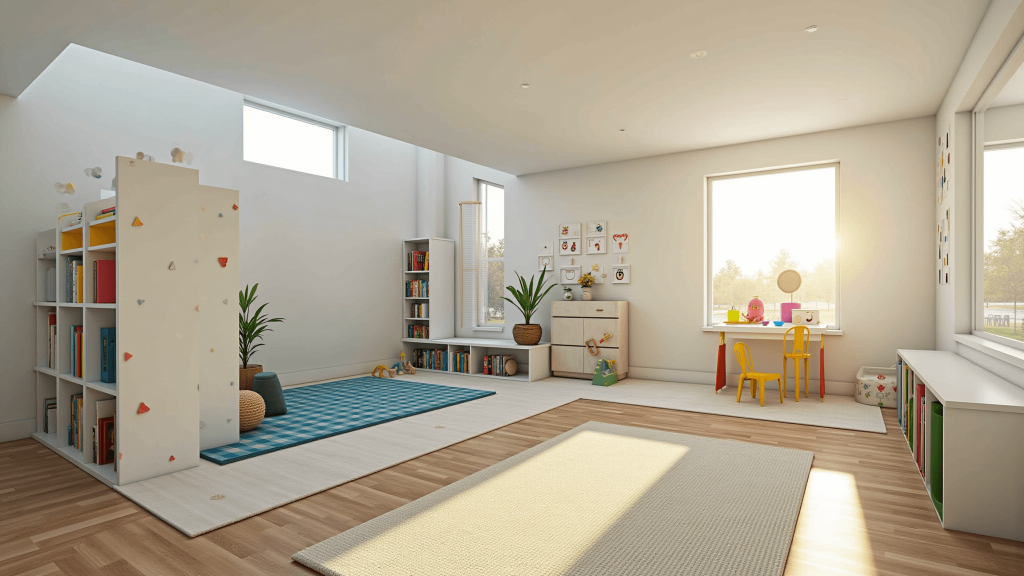
Creating the perfect basement playroom isn’t just about throwing some toys in a corner. It’s about designing a magical space that:
- Sparks imagination
- Provides safe play areas
- Gives kids their own special territory
- Maximizes unused home space
🏠 Steal This Look
- Paint Color: Sherwin-Williams Agreeable Gray SW 7029
- Furniture: Low-profile modular foam play blocks, wall-mounted activity tables, built-in window seat with toy storage drawers
- Lighting: Recessed can lights with daylight LED bulbs, wall-mounted sconces with fabric shades for soft ambient glow
- Materials: Cork flooring or rubber play mats, washable performance fabrics, rounded-edge wood accents, magnetic chalkboard panels
There’s something deeply satisfying about reclaiming that dark, forgotten basement and watching it become the room where your kids actually want to spend time—it’s like giving them a secret clubhouse without sacrificing your living room to the chaos.
Your Basement Playroom Budget Breakdown
Let’s talk money. Your playroom can cost anywhere from $500 to $5,000. Here’s a quick budget strategy:
Budget-Friendly Options
- DIY wall painting: $50-$100
- Secondhand furniture: $200-$500
- Storage solutions: $100-$300
Mid-Range Investments
- Soft play mats: $300-$600
- Basic play structures: $500-$1,500
Premium Playground
- Custom climbing walls: $1,500-$3,000
- Professional design consultation: $1,000-$2,000
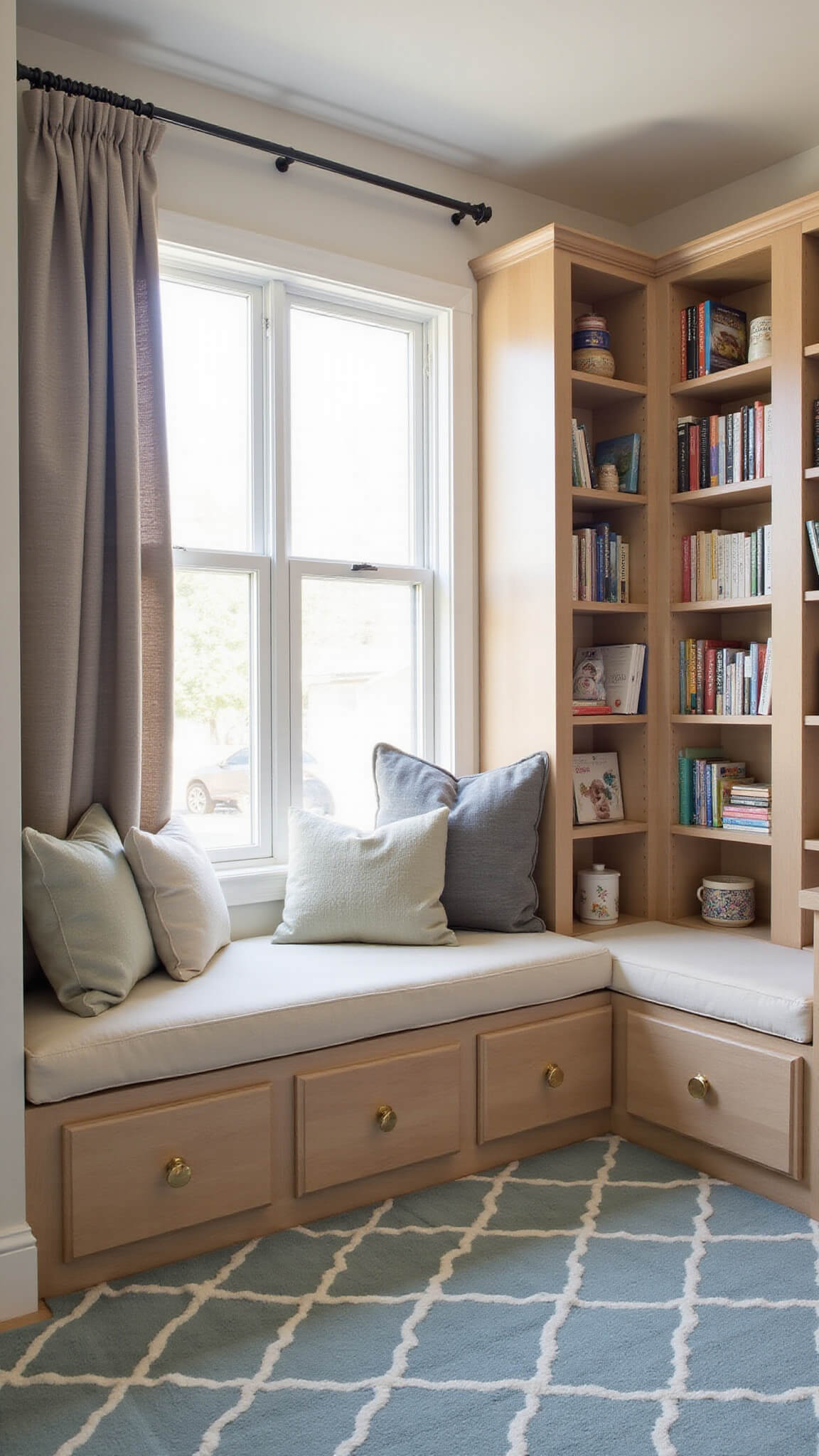
🏠 Steal This Look
- Paint Color: Benjamin Moore Chantilly Lace OC-65
- Furniture: Modular foam play couches with washable covers, low-profile open shelving for toy storage, secondhand wooden train tables
- Lighting: Flush-mount LED ceiling fixtures with dimmer switches, plug-in wall sconces for reading nooks
- Materials: Interlocking EVA foam tiles, wipeable vinyl wall decals, canvas storage bins, low-pile stain-resistant carpet
I’ve seen too many parents blow their budget on a showpiece play structure while kids end up playing on cold concrete—start with what touches the ground and build up from there.
Design Principles: Making Magic Happen
Color Strategy
Forget bland beige. We’re going bold and bright:
- Primary colors (red, blue, yellow)
- Accent walls with playful patterns
- Neutral backgrounds to balance energy
Essential Layout Considerations
- Safety first: Soft flooring
- Zoning: Separate areas for different activities
- Flexibility: Furniture that moves and adapts
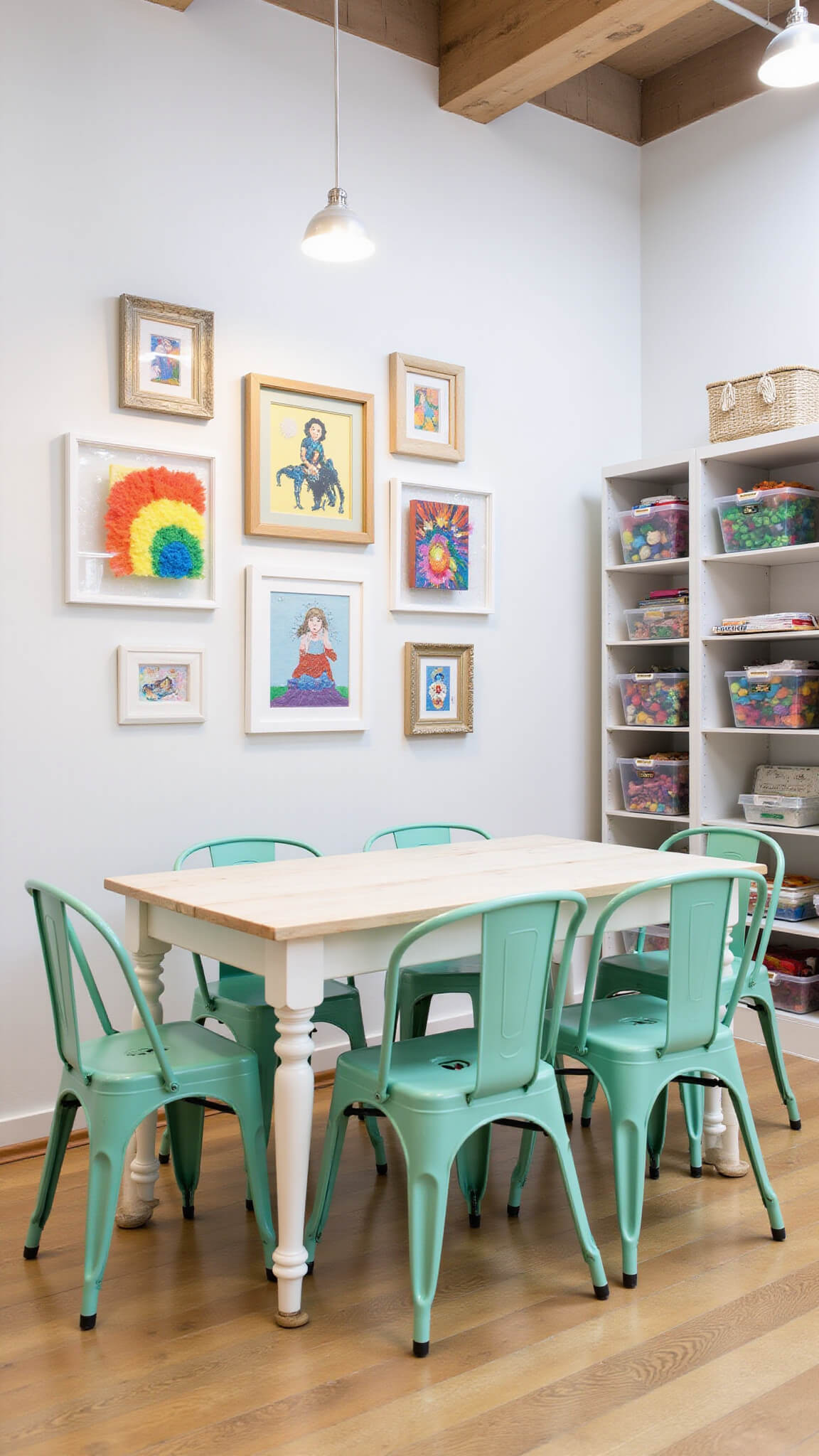
✎ Steal This Look
- Paint Color: Farrow & Ball Vardy White 288 (clean, energetic neutral that lets bold primary accents sing without competing)
- Furniture: Modular foam play blocks and nesting activity tables that reconfigure for building forts, art stations, or quiet reading nooks
- Lighting: Flush-mount LED ceiling fixtures with dimming capability plus clip-on task lamps for craft zones
- Materials: Interlocking foam floor tiles, washable canvas storage bins, magnetic whiteboard panels, and impact-resistant melamine surfaces
I’ve seen too many basement playrooms feel like afterthoughts—this approach treats the space as a legitimate design moment where your kids actually want to spend time, not just a storage dump for plastic toys.
Must-Have Playroom Elements
Storage Solutions
- Colorful cube shelves
- Rolling toy bins
- Wall-mounted organizers
- Labeled storage for easy cleanup

Play Zones
- Active Play Area
- Climbing structures
- Mini obstacle courses
- Dance/movement space
- Quiet Zone
- Reading nook
- Art corner
- Soft seating
- Creative Space
- Craft tables
- Art supply storage
- Display area for kid’s artwork
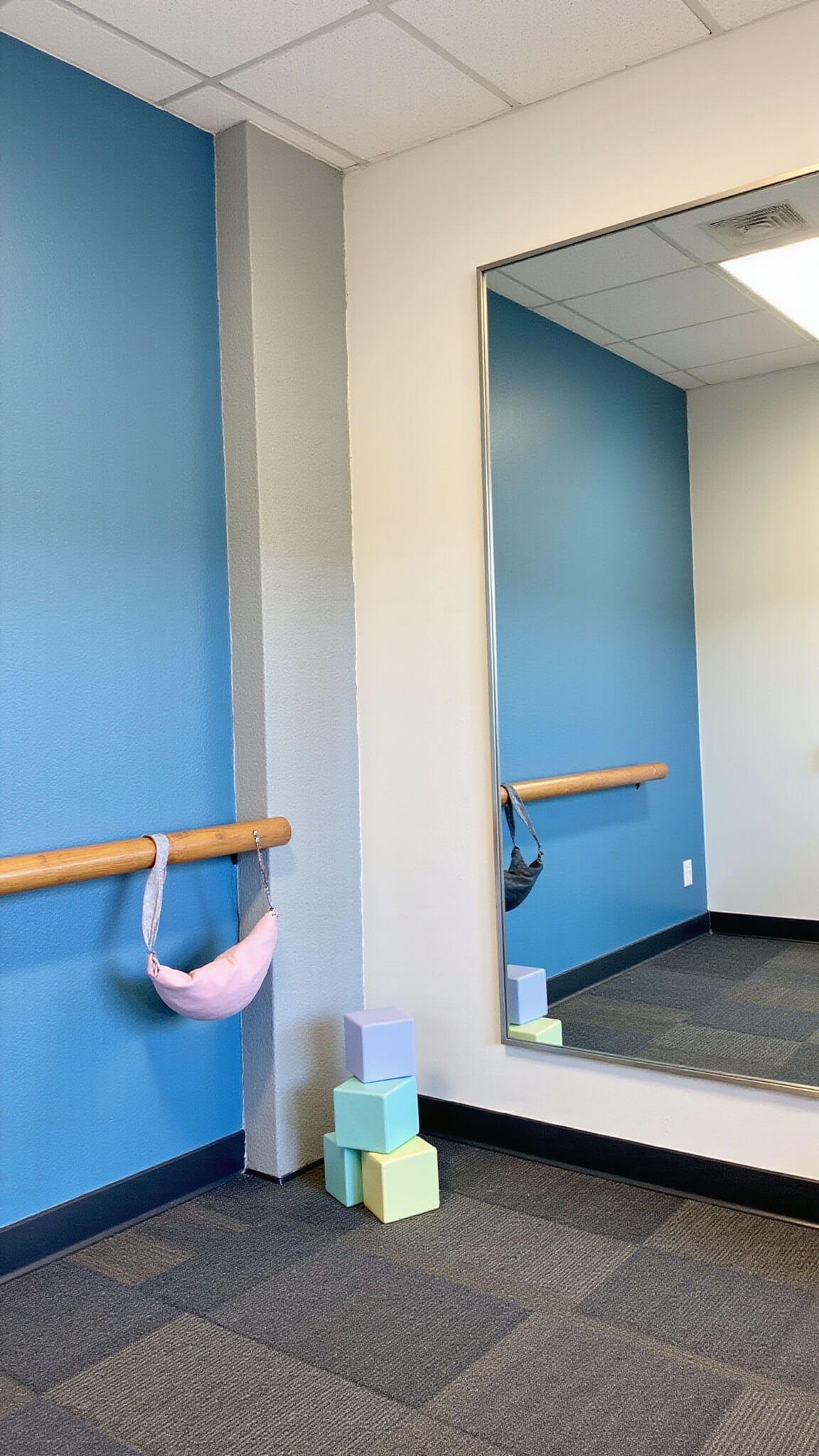
✎ Steal This Look
- Paint Color: Behr Playful Yellow P300-5 for energizing active zones, Behr Soft Focus N220-1 for calming quiet areas, Behr Polar Bear 75 for bright creative space backdrops
- Furniture: Low-profile cube shelving units (12×12 inch cubes) in white or primary colors, rolling fabric toy bins with clear window fronts, wall-mounted pegboard organizers, child-height craft tables with laminate tops, floor cushions and poufs for soft seating, modular climbing structures with padded mats
- Lighting: Flush-mount LED ceiling fixtures with dimming capability for zone control, adjustable-arm wall sconces for reading nooks, under-shelf LED strip lighting for art display areas, motion-sensor night lights for safe navigation
- Materials: Wipeable vinyl flooring or foam puzzle mats, melamine laminate surfaces for craft durability, breathable cotton canvas for storage bins, powder-coated steel for shelving frames, corkboard or magnetic paint for artwork display walls
I’ve seen too many parents design ‘perfect’ playrooms that kids abandon—build zones that invite their input, like a magnetic gallery wall they control, and the space actually gets used.
Photography and Social Sharing Tips
Capture the Perfect Playroom Shots
- Use natural light
- Shoot from multiple angles
- Highlight unique design elements
- Keep images bright and colorful
Pinterest-Worthy Presentation
- Vertical images (1000×1500 pixels)
- Descriptive, keyword-rich captions
- Show before/after transformations
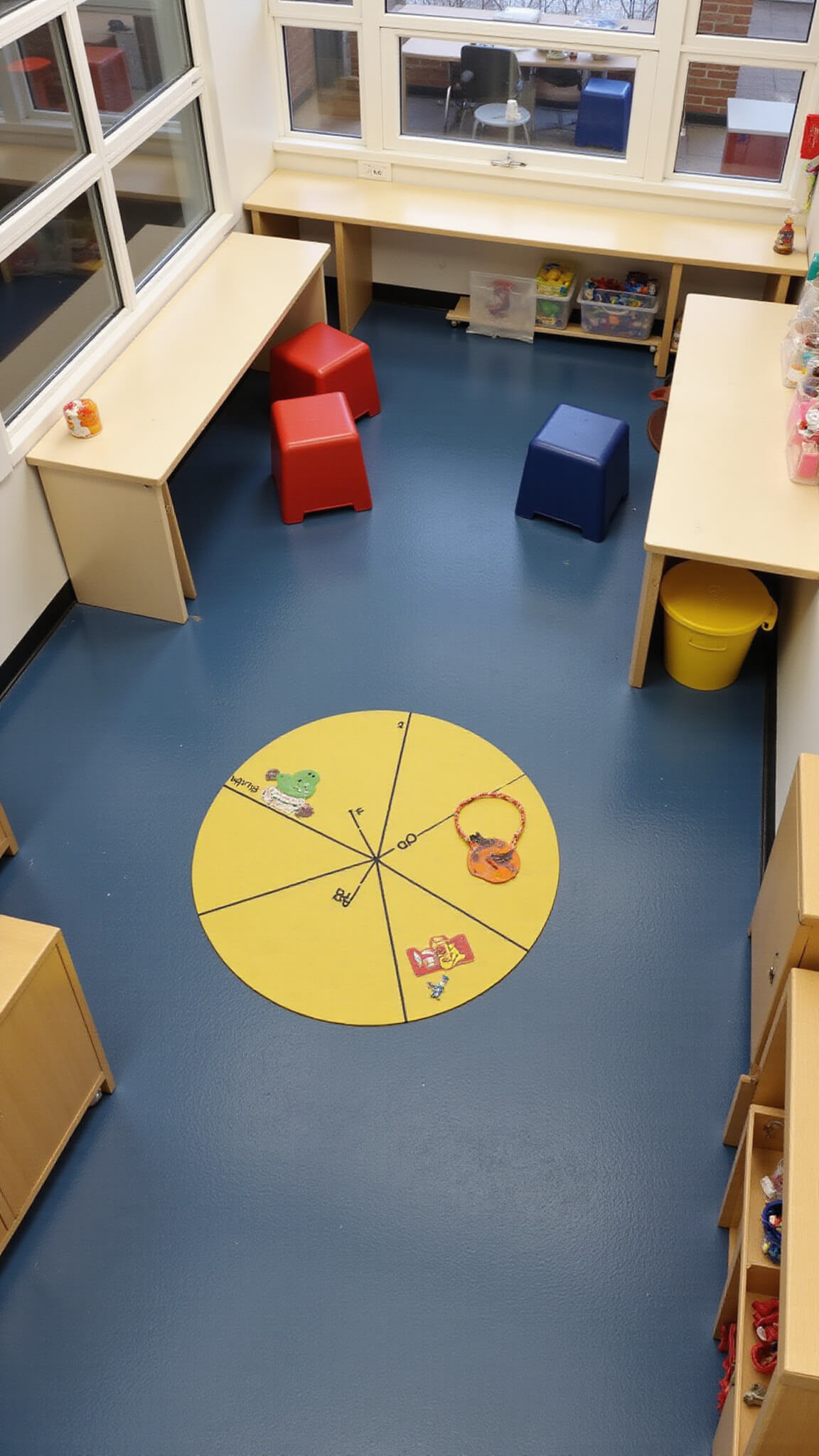
✎ Steal This Look
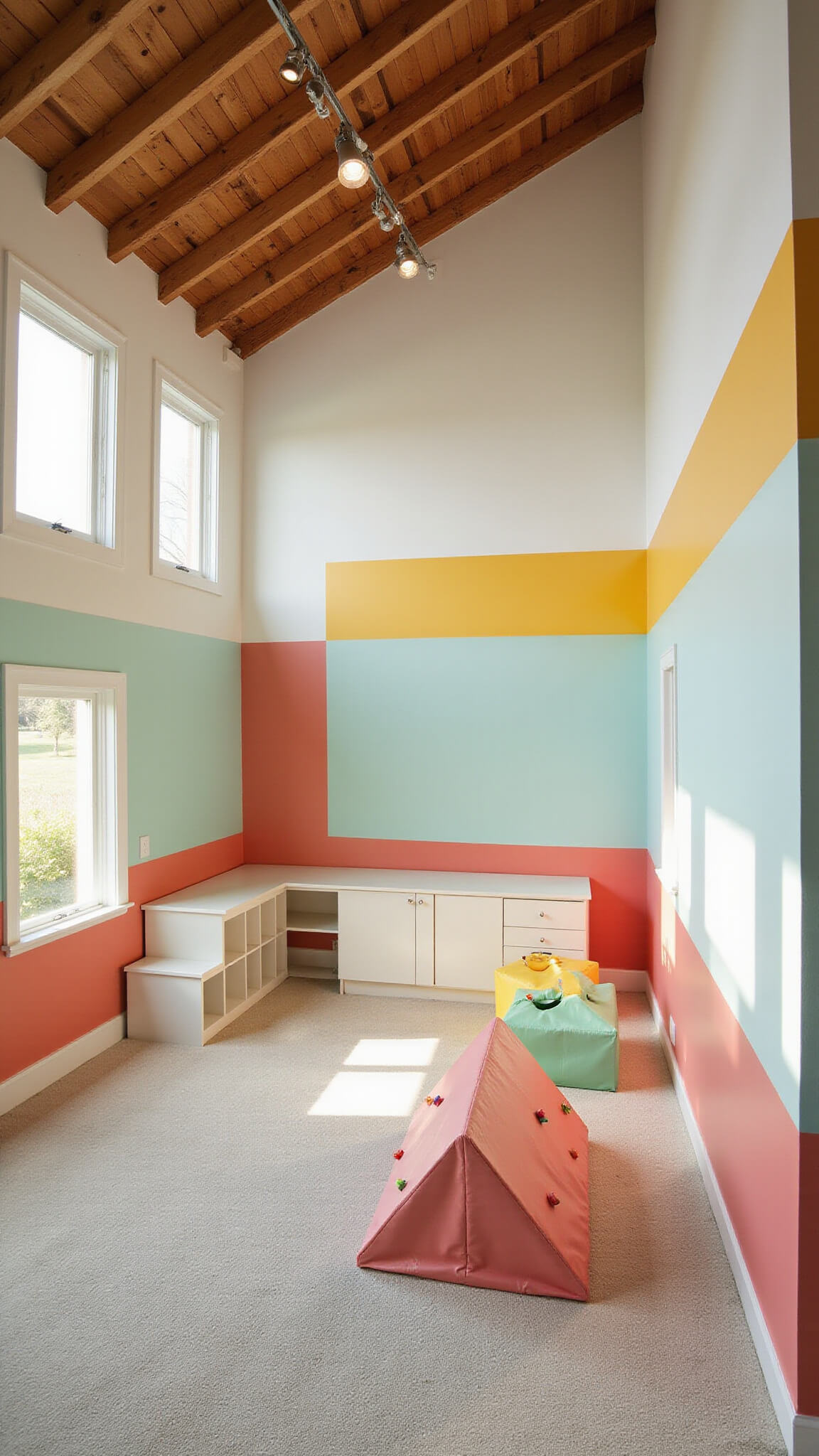
- Paint Color: Valspar Ultra White 7006-24
- Furniture: Low-profile modular foam play blocks with wipeable vinyl covers, wall-mounted pegboard art display system
- Lighting: Full-spectrum daylight LED panel lights with dimmers for consistent color temperature
- Materials: Matte-finish washable wall paint, shatterproof acrylic mirrors, textured sensory wall panels, bright primary color accents
I’ve seen too many beautiful basement playrooms get buried in social feeds because the lighting was off—this bright, organized space with its cheerful color blocking is exactly what stops the scroll and saves to boards.
Common Mistakes to Avoid
Design Pitfalls
- Overcrowding the space
- Ignoring safety considerations
- Choosing impractical materials
- Forgetting adult comfort
Photography Errors
- Poor lighting
- Cluttered backgrounds
- Low-resolution images
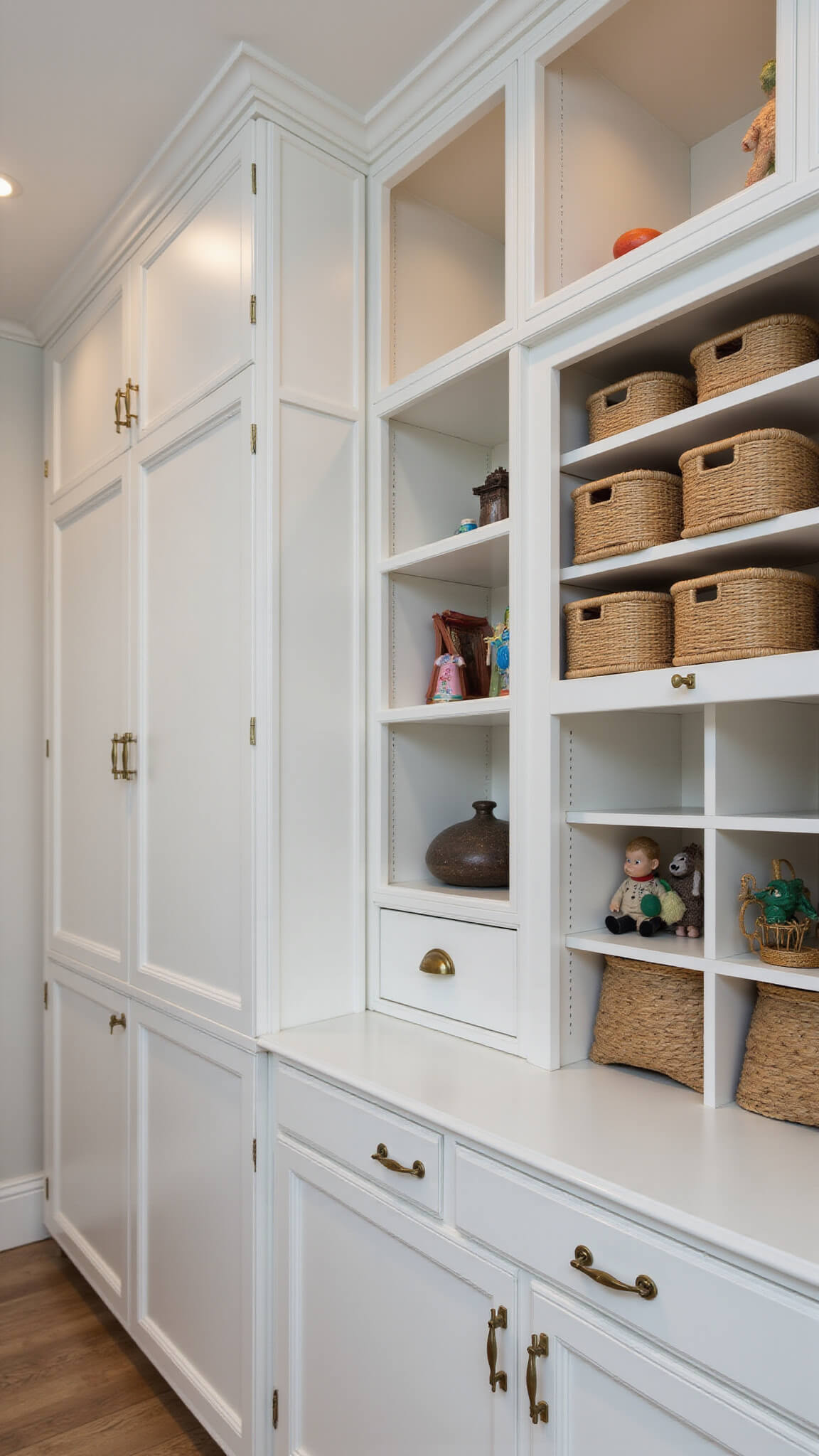
💡 Steal This Look
- Paint Color: PPG Delicate White PPG1001-1
- Furniture: Low-profile modular foam play blocks with removable washable covers, wall-mounted folding adult seating bench
- Lighting: Recessed can lights with dimmer switches, motion-activated LED strip lighting along baseboards for nighttime navigation
- Materials: Commercial-grade low-pile carpet tiles with moisture barrier backing, rounded-corner furniture, impact-resistant wall panels, washable vinyl upholstery
I’ve walked into too many finished basements where well-meaning parents created beautiful play spaces that felt like padded cells for adults—build in that window seat with proper lumbar support from day one, because you’ll be spending more hours down there than you imagine.
Maintenance and Longevity
Keeping the Playroom Fresh
- Monthly deep clean
- Rotate toys and decor
- Adapt space as kids grow
- Update color schemes periodically
Final Thoughts
Your basement playroom isn’t just a room. It’s a canvas for childhood memories, creativity, and pure joy. With smart design and a dash of imagination, you’ll create a space your kids will never want to leave.
Ready to transform that basement? Let’s make some magic happen!