Two years ago, I sat surrounded by 30 boxes of books in my new living room. My six-week-old baby slept nearby as I stared at overflowing shelves and walls plastered with art. What once felt cozy now suffocated me – every surface whispered “deal with me later.”
Like many, I never thought I’d become someone obsessed with tidiness. Clutter felt like creative chaos until life changed. That moment sparked my journey toward intentional living – not just removing items, but reshaping environments to support what truly matters.
This guide isn’t about stark minimalism. You’ll discover practical systems that honor your unique lifestyle while creating breathing room. We’ll tackle emotional roadblocks like guilt over discarding gifts, and find smarter ways to manage possessions without waste.
Through room-specific strategies and adaptable checklists, you’ll learn to identify what serves your current chapter. The result? Spaces that feel lighter, routines that flow smoother, and mental clarity you can almost physically feel. Let’s begin transforming your surroundings into allies for your best life.
Setting the Stage for Decluttering Success
Every home has its trouble spots—those places where items mysteriously multiply overnight. Professional organizer Mimi Bogelund taught me to start by asking: “What feelings do you want your house to spark?” This simple question reveals gaps between your ideal space and reality.
Identifying Your Clutter Hotspots
Begin by walking through each room with fresh eyes. Notice surfaces that collect mail, keys, or random things. Kitchens and entryways often become clutter magnets because they’re high-traffic areas. Check drawers stuffed with duplicates or expired coupons.
| Area | Common Items | Solution |
|---|---|---|
| Entryway | Keys, shoes, bags | Wall hooks + tray |
| Kitchen Counter | Mail, appliances | Vertical organizer |
| Bedroom Dresser | Unworn clothes | Donation bin |
Ask yourself: Do these things support my daily routines? I once kept three mismatched spatulas in a drawer “just in case.” Letting go freed up space for items I actually use.
Emotional triggers often hide in piles. That stack of unread magazines? Maybe it whispers “you should be more informed.” Recognize these patterns to create systems that work with—not against—your lifestyle.
My Personal Journey to Home Organization
Six months after moving into our first house, I found myself staring at a mountain of baby clothes and untouched wedding gifts. That’s when I discovered clutter wasn’t just physical—it had become mental static. Working with Mimi Bogelund through APDO changed everything. Her £35/hour sessions taught me systems that transformed chaos into calm.
Realizations That Sparked My Change
Three key moments shifted my perspective. First: opening a cabinet to find duplicate spice jars I’d bought that same week. Second: spending 45 minutes searching for important documents during a medical emergency. Third: realizing my toddler had more toys than our local library had books.
Mimi shared her own turning point: “After losing my fashion job, decluttering lifted a burden I didn’t know I carried.” Her words made me see possessions as choices, not obligations.
Lessons Learned from Decluttering Experts
Professional organizers approach spaces differently. Through Mimi’s Marie Kondo training, I learned to:
| Traditional Approach | Expert Strategy | Time Saved |
|---|---|---|
| Room-by-room cleaning | Category-based sorting | 3 hours/week |
| Keeping “just in case” items | 90-day usage rule | 15 minutes/day |
| Guilt-driven storage | Emotional value assessment | 2 hours/month |
The process taught me that decluttering isn’t about perfection. It’s creating space for what matters now. Those initial three-hour sessions with Mimi saved me years of recurring chaos.
how to declutter your home
Creating lasting change starts with small, consistent efforts. I learned this from organizing expert Catharina Björkman, who emphasizes that steady progress beats marathon sessions. Begin by viewing your space as a collection of bite-sized projects rather than one giant task.
A Step-by-Step Approach
Follow this method to avoid burnout:
- Map your mission: Write down every drawer, shelf, or cabinet needing attention. Prioritize areas you use daily for quick wins.
- Time-block strategically: Schedule 15-30 minute sessions across your week. Tuesday mornings for the junk drawer? Thursday evenings for that overstuffed closet?
- Sort with purpose: Keep only what serves your current lifestyle. Ask: “Have I used this in 90 days?” and “Does it spark genuine joy?”
I once spent weeks avoiding my office nook. Breaking it into three 20-minute tasks made it achievable. Celebrate completing each micro-project—maybe with fresh flowers or a favorite snack.
Remember, maintenance matters. Designate five daily minutes to reset high-traffic zones. These small habits prevent clutter from creeping back, turning progress into lasting transformation.
Building Your Declutter Checklist for Room-by-Room Success
The real magic happens when your intentions meet a solid plan. A well-crafted checklist turns overwhelming projects into manageable victories. Let’s design a system that adapts to your schedule and space.
Essential Items for Your Checklist
Start with four labeled boxes: Keep, Donate, Trash, and Sell. This simple setup creates instant structure. I learned this the hard way after sorting spices into mismatched containers – chaos ensued!
| Box Type | Purpose | Example Items |
|---|---|---|
| Keep | Daily-use essentials | Favorite mug, current bills |
| Donate | Unused quality goods | Extra blankets, duplicate tools |
| Trash | Broken/unusable items | Expired meds, torn linens |
| Sell | Valuable surplus | Designer bags, vintage decor |
Break each area into specific tasks. For bedrooms: “Sort nightstand drawer” works better than “Clean room.” Schedule 25-minute sessions – I complete more in three short bursts than one marathon weekend.
Customize your plan using this framework:
| Space | Focus Area | Time Needed |
|---|---|---|
| Living Room | Entertainment center | 20 minutes |
| Bathroom | Medicine cabinet | 15 minutes |
| Garage | Tool wall | 30 minutes |
Leave space for adjustments. When my neighbor needed help moving, I simply shifted “Pantry sort” to next week. Flexibility keeps progress steady without burnout.
Decluttering by Category: Clothes, Books, and Sentimental Items
My aha moment came when I dumped every shirt I owned on the bed. Seeing them all together revealed patterns I’d missed for years – duplicate colors, unworn gifts, and “someday” clothes clinging to false promises. Category-based sorting cuts through chaos by letting your brain compare apples to apples.
Sorting and Prioritizing with Care
Start with clothes – they’re tangible and decision-friendly. Pull everything from drawers, closets, and storage bins. Hold each piece and ask: “Does this fit my current lifestyle?” If it hasn’t been worn in a year, thank it and let it go. I discovered three identical black sweaters buried in my wardrobe during this process.
Books require a different approach. Separate them into fiction, cookbooks, and reference materials. Touch each cover – if you wouldn’t reread or recommend it, consider donating. My shelf space tripled after releasing college textbooks I’d kept “just in case.”
Sentimental items demand gentle handling. Create a memory box for irreplaceable treasures, but limit its size. For inherited dishes or childhood art, take photos before releasing physical objects. This honors the past without anchoring you to it.
| Category | Decision Filter | Time Estimate |
|---|---|---|
| Clothes | Last worn date | 2-3 hours |
| Books | Re-read potential | 1-2 hours |
| Sentimental | Emotional value | 4+ hours |
Complete each category fully before moving forward. Half-finished projects create mental clutter. When sorting my grandmother’s letters, I blocked a Saturday morning – no interruptions, just tea and memories. This focused approach made tough decisions feel sacred rather than stressful.
Clearing Clutter and Achieving Clutter Control Essentials
Last Tuesday, I opened my junk drawer and found three identical tape measures staring back at me. That moment crystallized why quick wins matter – small victories create momentum that fuels bigger changes. Tackling bite-sized areas first builds confidence to handle emotional or complex spaces later.
Quick Wins for Rapid Decluttering
Start with spots that frustrate you daily. My utensil drawer once held 14 mismatched spatulas. Sorting it took eight minutes but saved me time every morning. Focus on these high-impact zones:
| Spot | Action | Time Needed | Result |
|---|---|---|---|
| Junk Drawer | Remove duplicates | 10 minutes | Find keys faster |
| Bathroom Counter | Toss expired products | 7 minutes | Clear surfaces |
| Entryway Basket | Sort daily essentials | 12 minutes | Smooth exits |
Get rid of obvious offenders first. Broken pens? Expired coupons? Recycling them creates instant space. I keep a “no maybe” rule – if I hesitate, it goes. This cuts decision fatigue by 60%.
Create clutter control habits right away. After clearing my coffee station, I instituted a “one-cup wash” rule. Now mugs don’t pile up. Small systems prevent backsliding.
When releasing items feels tough, try this tip: whisper “thank you” before donating. This ritual helped me release 23 unused vases guilt-free. Emotional clutter often hides in things we keep “just because.”
Home Organization Tips for a Stress-Free Space
After clearing out my closet last spring, I discovered something surprising – empty corners I never knew existed. This revelation taught me that smart storage isn’t about adding more containers, but using what you have wisely. The key lies in creating systems that work with your habits, not against them.
Maximizing Storage and Open Shelving
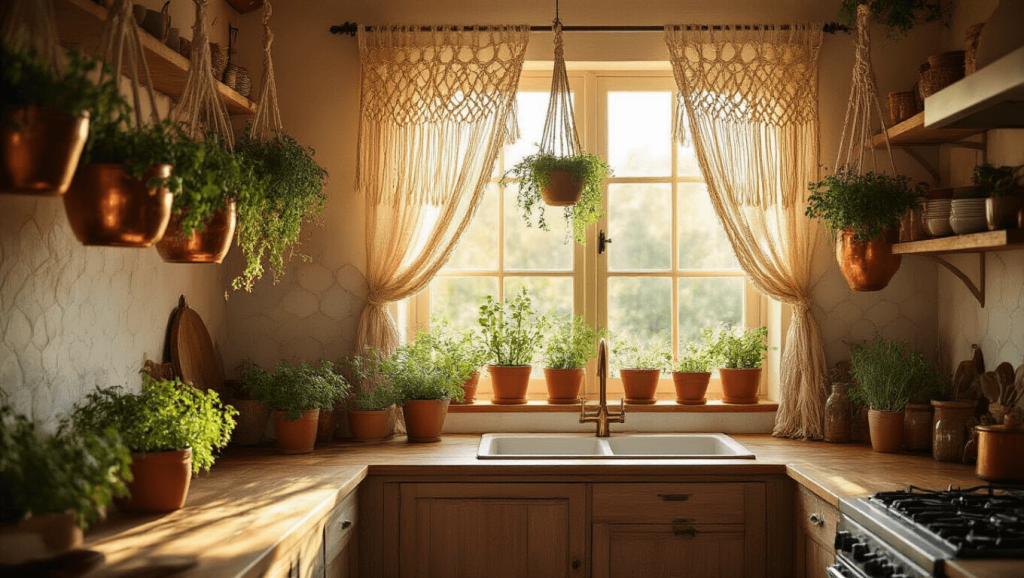
Open shelves transformed my kitchen from chaotic to curated. Take inspiration from designer Christian Bense’s approach: mix practical items with meaningful decor. Group cookbooks vertically beside ceramic vases, or display neatly folded linens in woven baskets. This balance turns storage into style.
Drawer dividers became my secret weapon for taming chaos. IKEA’s Skubb system helped categorize everything from socks to silverware. For deep cabinets, store bulky appliances at the back and everyday items up front. This “zone” method cuts search time by half.
| Storage Type | Best Use | Visual Benefit |
|---|---|---|
| Open Shelving | Frequently used items | Adds depth |
| Divided Drawers | Small accessories | Reduces clutter |
| Deep Cabinets | Seasonal gear | Hides bulk |
Vertical space often goes untapped. Install floating shelves above doorways for extra towels or plants. In my office, wall-mounted files freed up desk real estate. Remember: what sits at eye level should spark joy or serve daily needs.
True organization reduces mental load. When every spatula has a slot and every bill has a tray, mornings flow smoother. Start with one drawer or shelf – progress builds momentum. You’ll soon see your space as a partner, not a puzzle.
Practical Room-by-Room Declutter Strategies
Walking into my kitchen last week, I nearly tripped over a leaning tower of baking sheets. That moment revealed what professional organizers know – cooking spaces become clutter hotspots fast. Tackling these areas requires tailored solutions that fit real-life habits.
Effective Kitchen Decluttering Techniques
Start with zones. Group similar items – baking tools near the oven, mugs by the coffee maker. I discovered three vegetable peelers scattered across drawers during my reorganization. Consolidating them freed up space for daily essentials.
Apply the 90-day rule to appliances. If your waffle maker hasn’t seen batter since Memorial Day, store it elsewhere. I donated a juicer that was gathering dust, making room for my daily smoothie blender.
| Problem Area | Quick Fix | Long-Term Solution |
|---|---|---|
| Catch-All Drawer | Toss expired coupons | Add utensil dividers |
| Pantry Shelves | Remove stale snacks | Use clear bins |
| Countertops | Relocate decor | Install wall racks |
Vertical storage changed my game. Magnetic knife strips and IKEA’s Grundtal rails keep tools accessible yet tidy. Remember: A functional kitchen isn’t magazine-perfect. It’s where you can grab the garlic press without playing Jenga with pots.