Transforming Your Small Cabin Exterior: A Complete Design Guide
Imagine stepping into a woodland retreat that looks like it’s straight out of a magazine—but without breaking the bank.
Small cabin exteriors are more than just buildings; they’re stories waiting to be told through design, texture, and thoughtful styling.
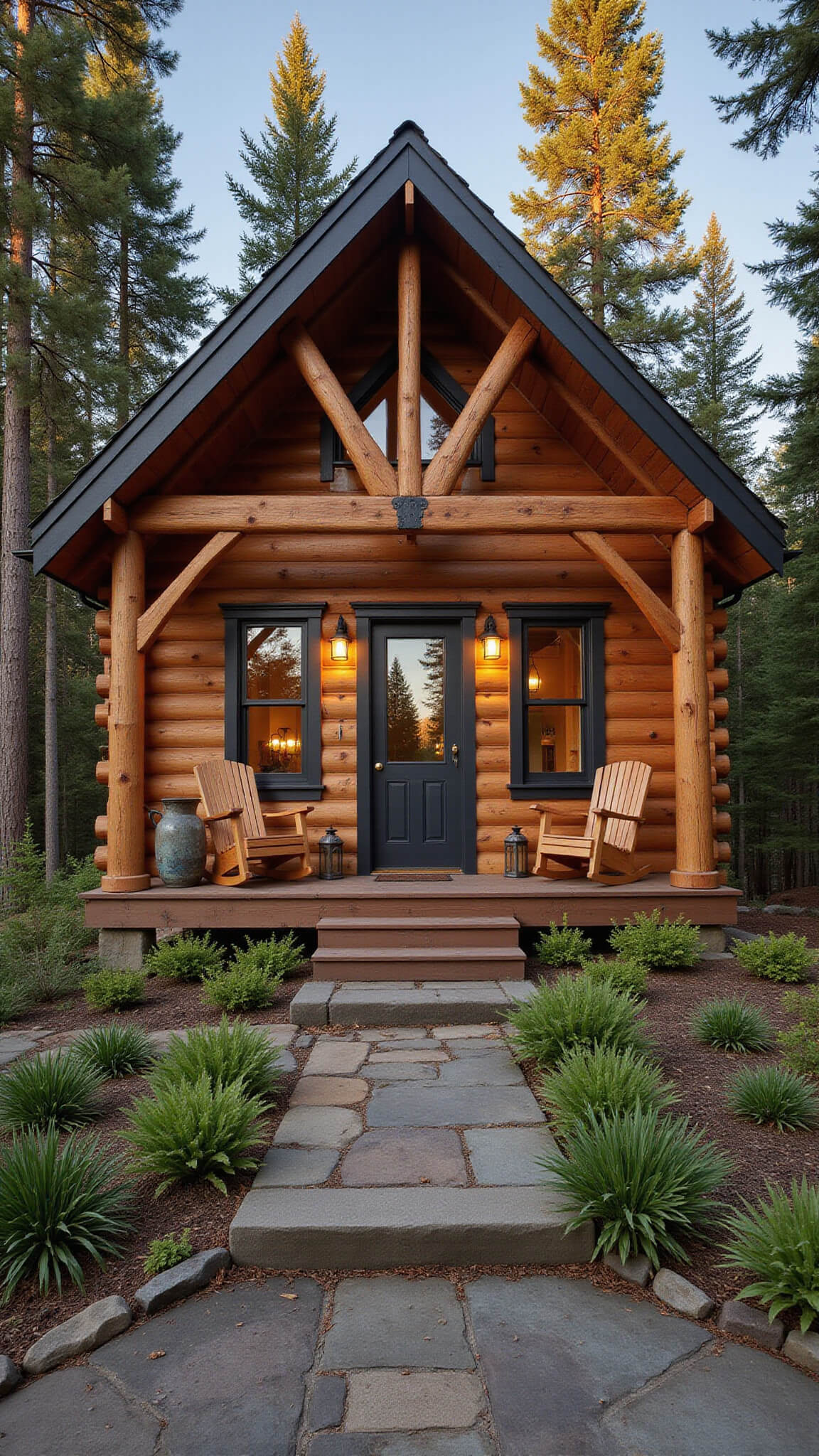
🏠 Steal This Look
- Paint Color: Sherwin-Williams Backwoods SW 7025 for deep forest green siding, Sherwin-Williams Alabaster SW 7008 for crisp white trim, Sherwin-Williams Urbane Bronze SW 7048 for natural wood stain alternative on accents
- Furniture: Adirondack chairs in weathered gray finish, cedar log porch swing with rope hangers, galvanized metal planters for seasonal greenery
- Lighting: Gooseneck barn sconces in matte black, solar-powered path lights with warm 2700K output, vintage-style string lights with Edison bulbs for covered porches
- Materials: Rough-sawn cedar shingles, river rock foundation veneer, reclaimed barn wood for accent walls, black metal roof panels, natural jute outdoor rugs
There’s something deeply satisfying about a cabin that looks like it grew from the hillside itself—earthy, unpretentious, and quietly confident in its place among the trees.
Why Exterior Design Matters for Small Cabins
Every square foot counts when you’re working with a compact 800-1,500 sq ft space. Your cabin’s exterior isn’t just about looks—it’s about creating an immersive experience that connects you with nature.
Key Design Considerations
Crucial Elements That Make Your Cabin Stand Out:
- Authentic material choices
- Strategic color palettes
- Purposeful landscaping
- Seasonal adaptability
🖼 Steal This Look
- Paint Color: Benjamin Moore Kendall Charcoal HC-166 for natural wood trim accents and Benjamin Moore White Dove OC-17 for crisp cabin siding contrast
- Furniture: Adirondack chairs in weathered gray finish, cedar log bench with live edge, galvanized steel side table for porch
- Lighting: Black gooseneck barn sconce with warm 2700K LED, solar-powered pathway lanterns in oil-rubbed bronze
- Materials: Reclaimed barn wood siding, hand-split cedar shakes, native fieldstone foundation, black metal roof, raw hemp rope detailing
There’s something deeply grounding about a small cabin that wears its materials honestly—when you step onto that cedar porch and smell the wood aging in the sun, the exterior design has done its job of connecting you to place.
Design Styles to Consider
1. Rustic Woodland Aesthetic
Colors: Earth tones like charcoal, forest green
Textures:
- Rough-hewn logs
- Natural wood finishes
- Stone foundations
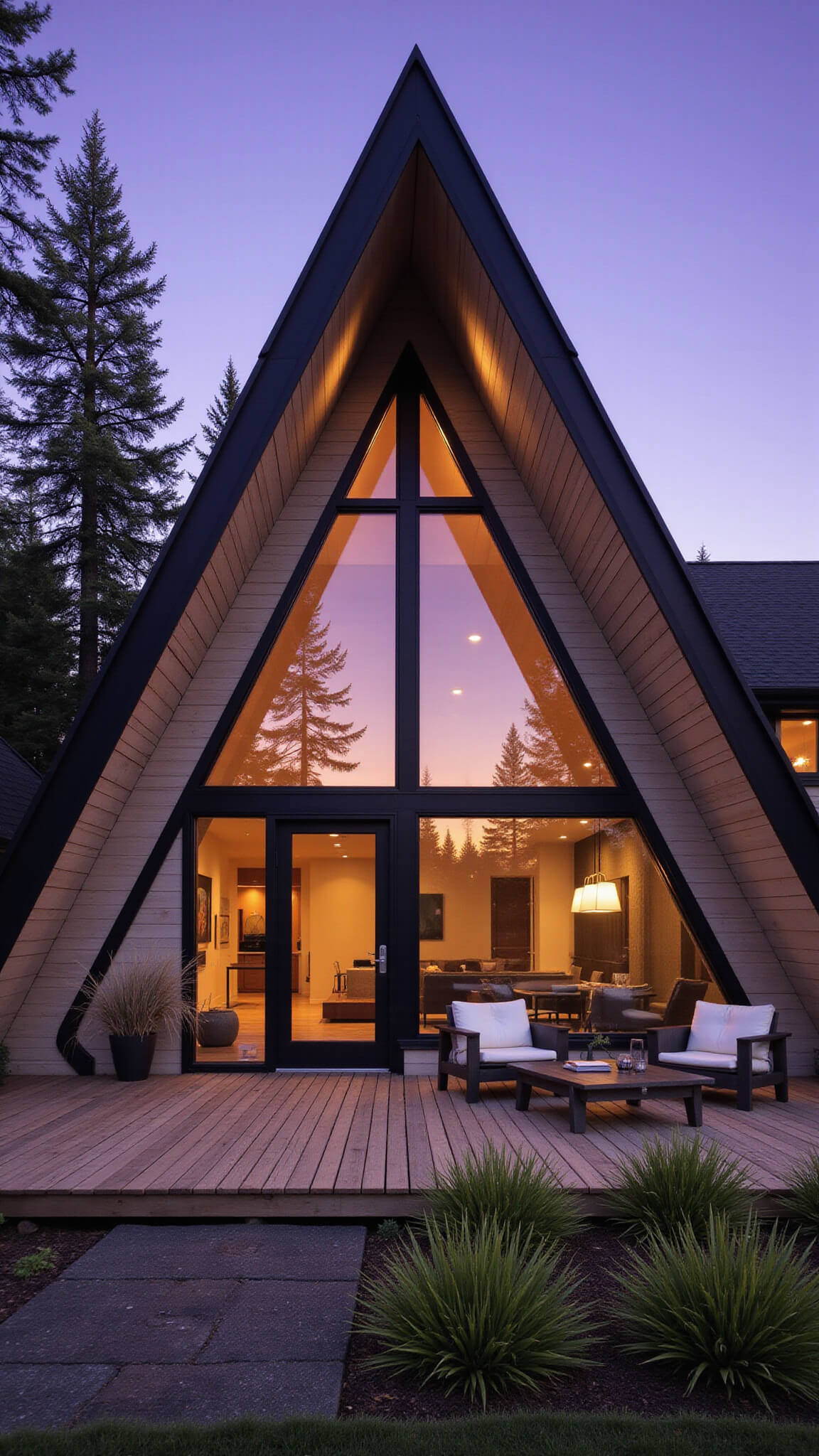
2. Alpine A-Frame Approach
Characteristics:
- Steep roof pitches
- Large windows
- Integrated outdoor living spaces
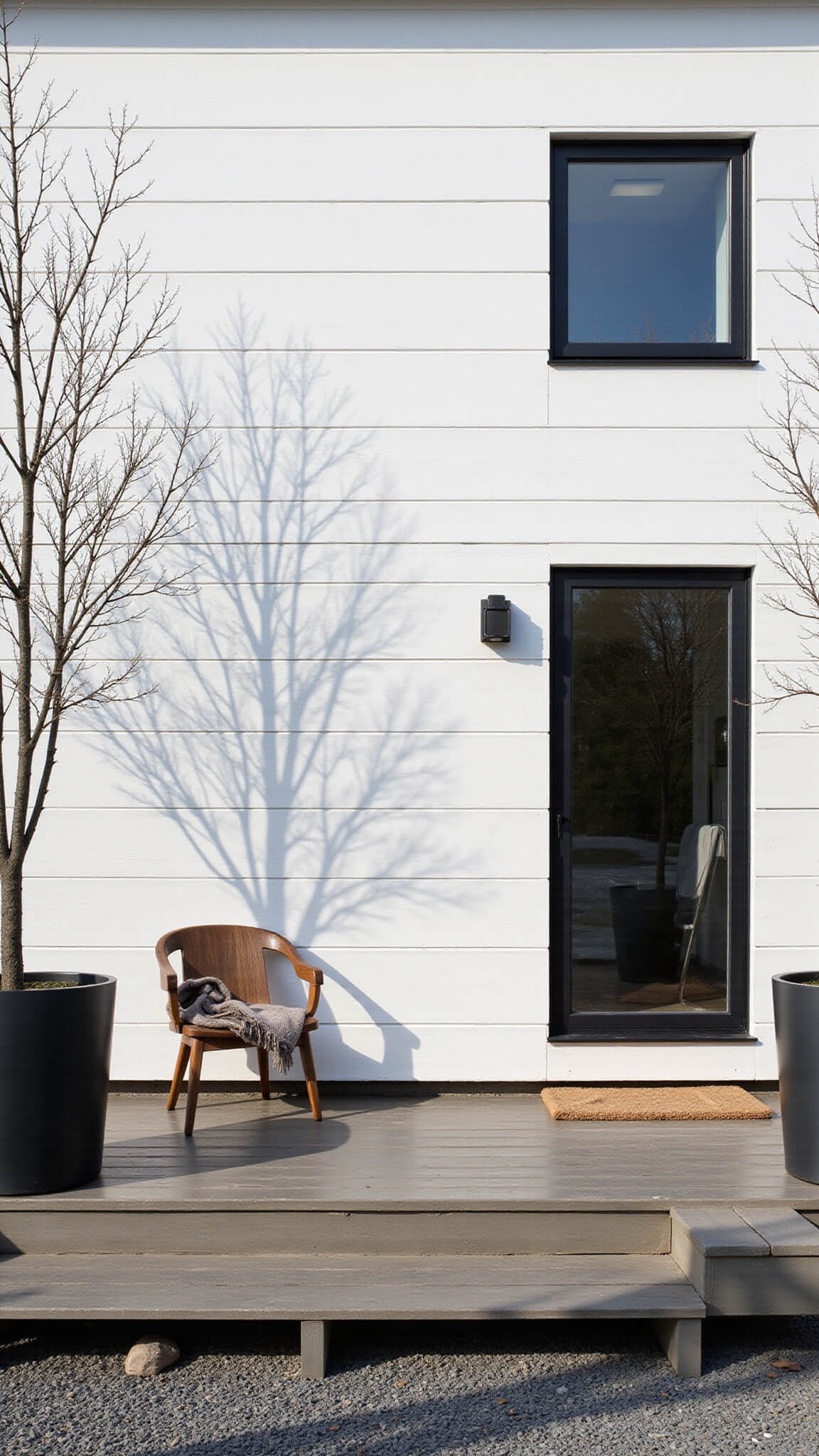
3. Scandinavian Minimalist
Core Principles:
- Clean lines
- Neutral color schemes
- Functional design elements
★ Steal This Look
- Paint Color: Farrow & Ball Down Pipe 26 for charcoal accents, Farrow & Ball Green Smoke 47 for forest green siding
- Furniture: Adirondack chairs in weathered cedar, log bench with bark-on legs, rough-hewn picnic table
- Lighting: Exterior gooseneck barn sconces in matte black, solar-powered path lights with amber glow
- Materials: Unpeeled cedar logs, fieldstone veneer, corrugated metal roofing, reclaimed barn wood siding
There’s something deeply grounding about a cabin that looks like it grew from the hillside rather than landed on it—I’ve always found that the best small cabins embrace their materials so honestly that you can read the forest they came from.
Budget-Friendly Transformation Tips
Design on a Dime: Strategies for Stunning Exteriors
- Repurpose local materials
- Focus on strategic accent pieces
- Use paint for dramatic transformations
- Leverage natural landscaping
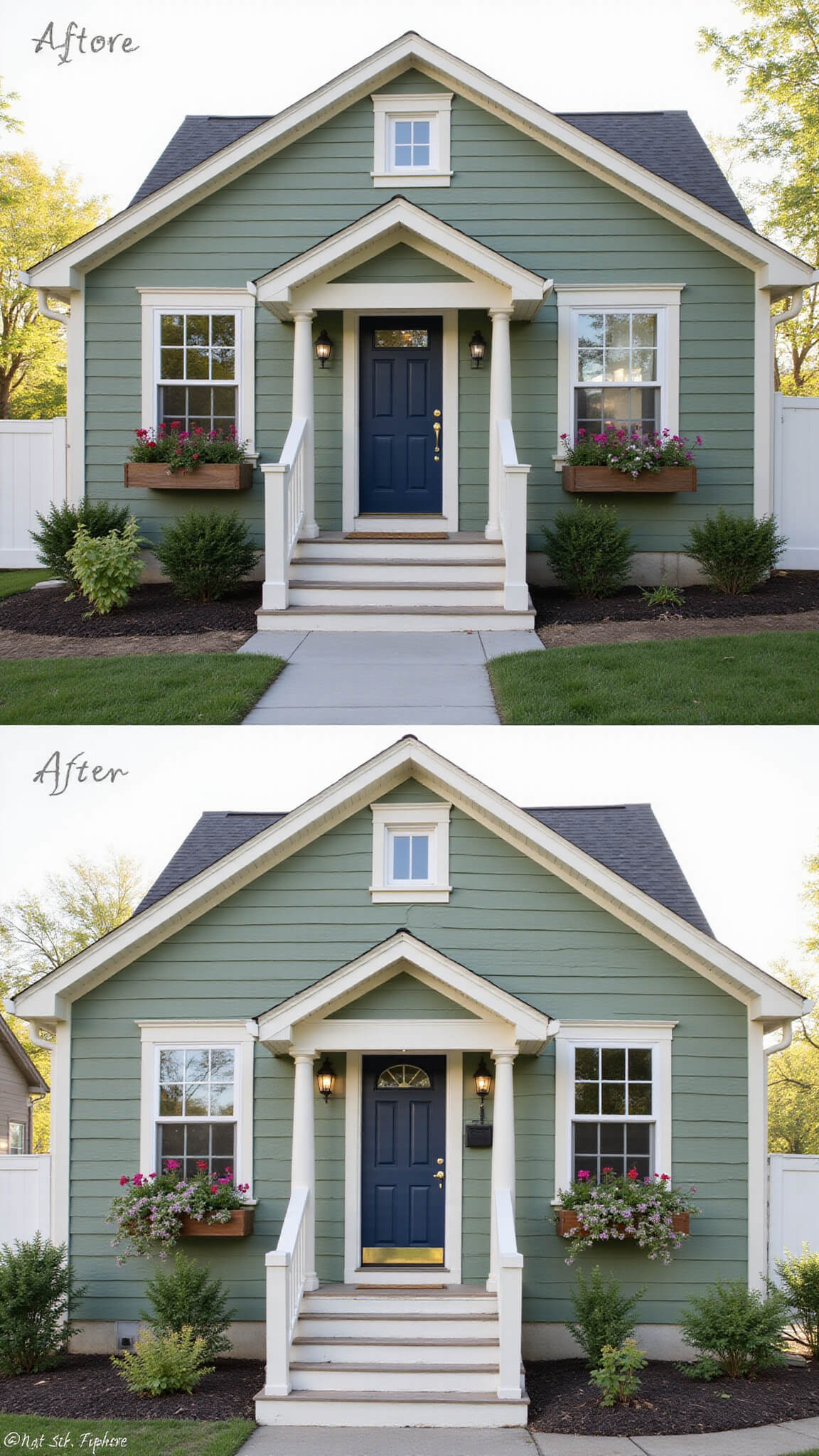
Budget Breakdown
- Low-end: $500 – Simple paint refresh
- Mid-range: $1,500 – New lighting, minor landscaping
- High-end: $5,000 – Complete exterior redesign
★ Steal This Look
- Paint Color: Behr Black Mocha N140-7 for rich cabin warmth, Behr Burnished Pewter PPU24-04 for weathered wood accents, Behr Canyon Wind S210-4 for natural trim highlights
- Furniture: Adirondack chairs in unfinished cedar, reclaimed barn wood porch swing, galvanized metal planters with native grasses
- Lighting: Solar-powered mason jar string lights, oil-rubbed bronze barn sconces with seeded glass, battery-operated lantern path lights
- Materials: Rough-sawn cedar shingles, river rock from local quarries, corrugated metal roofing scraps, weathered barn wood cladding
There’s something deeply satisfying about stepping back from your own cabin and recognizing every piece of wood, every stone you wrestled into place—those stories become the architecture.
Photography and Presentation
Pro Tips for Capturing Your Cabin’s Essence:
- Shoot during golden hour (late afternoon)
- Use natural lighting
- Capture unique architectural details
- Stage with minimal, purposeful props
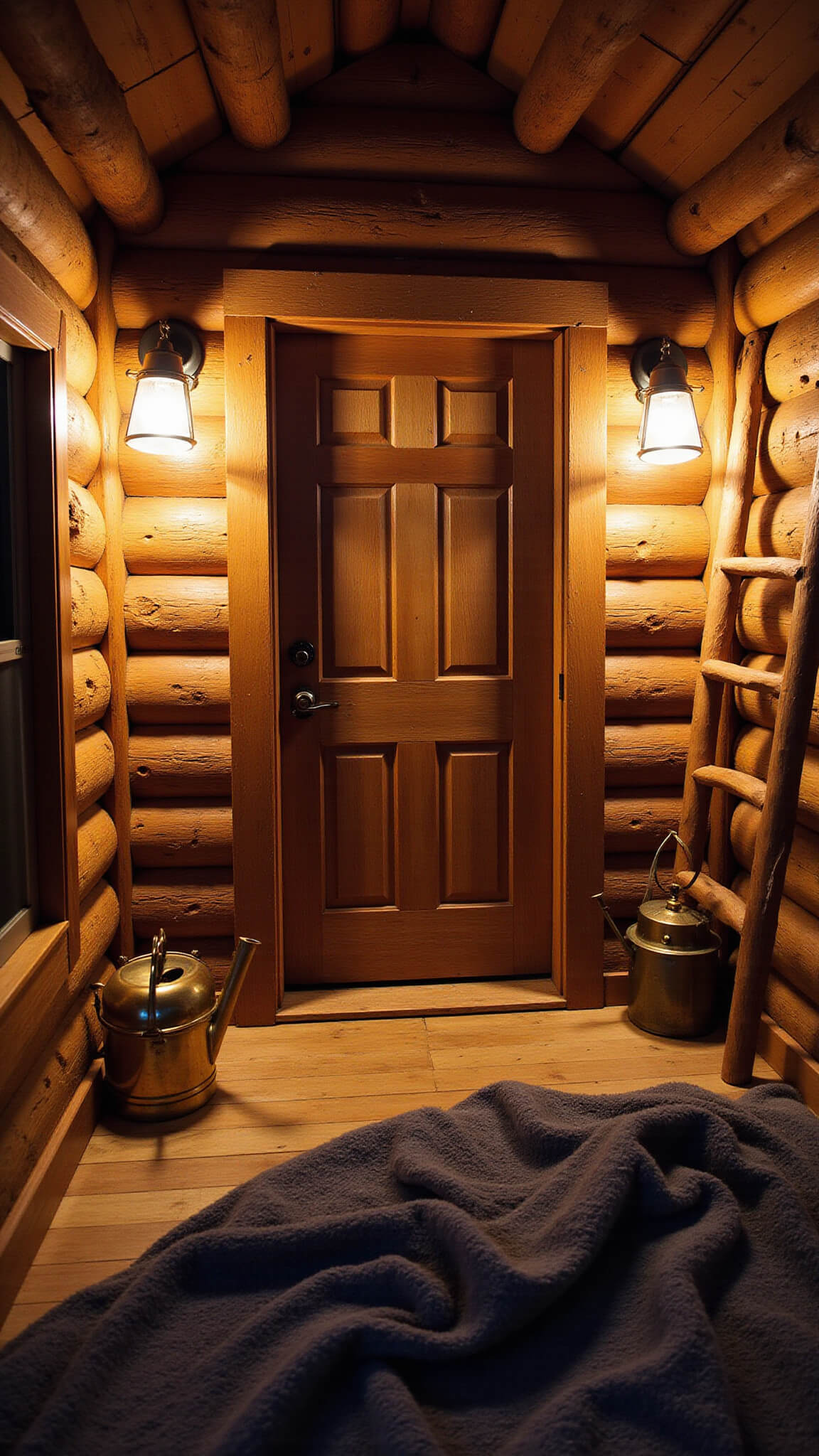
Essential Photography Equipment
- DSLR or high-quality smartphone
- Portable LED ring light
- Editing software (Lightroom/Canva)
🖼 Steal This Look
- Paint Color: Valspar Cabin Fever 2005-10B
- Furniture: weathered Adirondack chairs, cedar log bench, galvanized metal side table
- Lighting: warm string lights with Edison bulbs, solar pathway lanterns
- Materials: rough-hewn cedar, aged barn wood, rusted corrugated metal, river stone
There’s something almost meditative about waiting for that perfect light to hit the cabin’s weathered siding—it’s when the years of patina finally tell their story.
Seasonal Styling Strategies
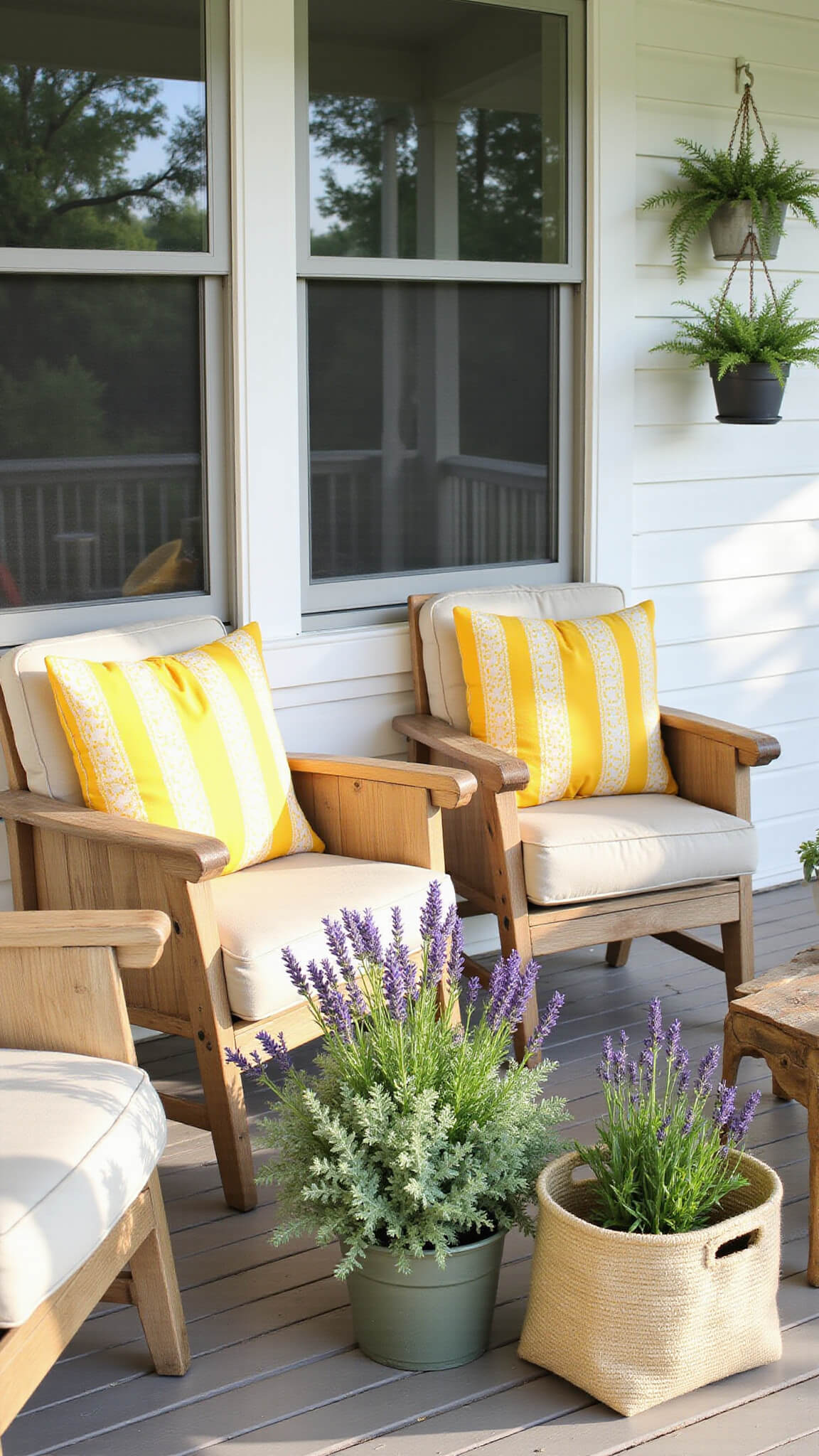
Summer Approach
- Floral window boxes
- Open porch areas
- Bright, airy accessories
Winter Transformation
- Evergreen garlands
- Cozy wool throws
- Strategic lighting for warmth
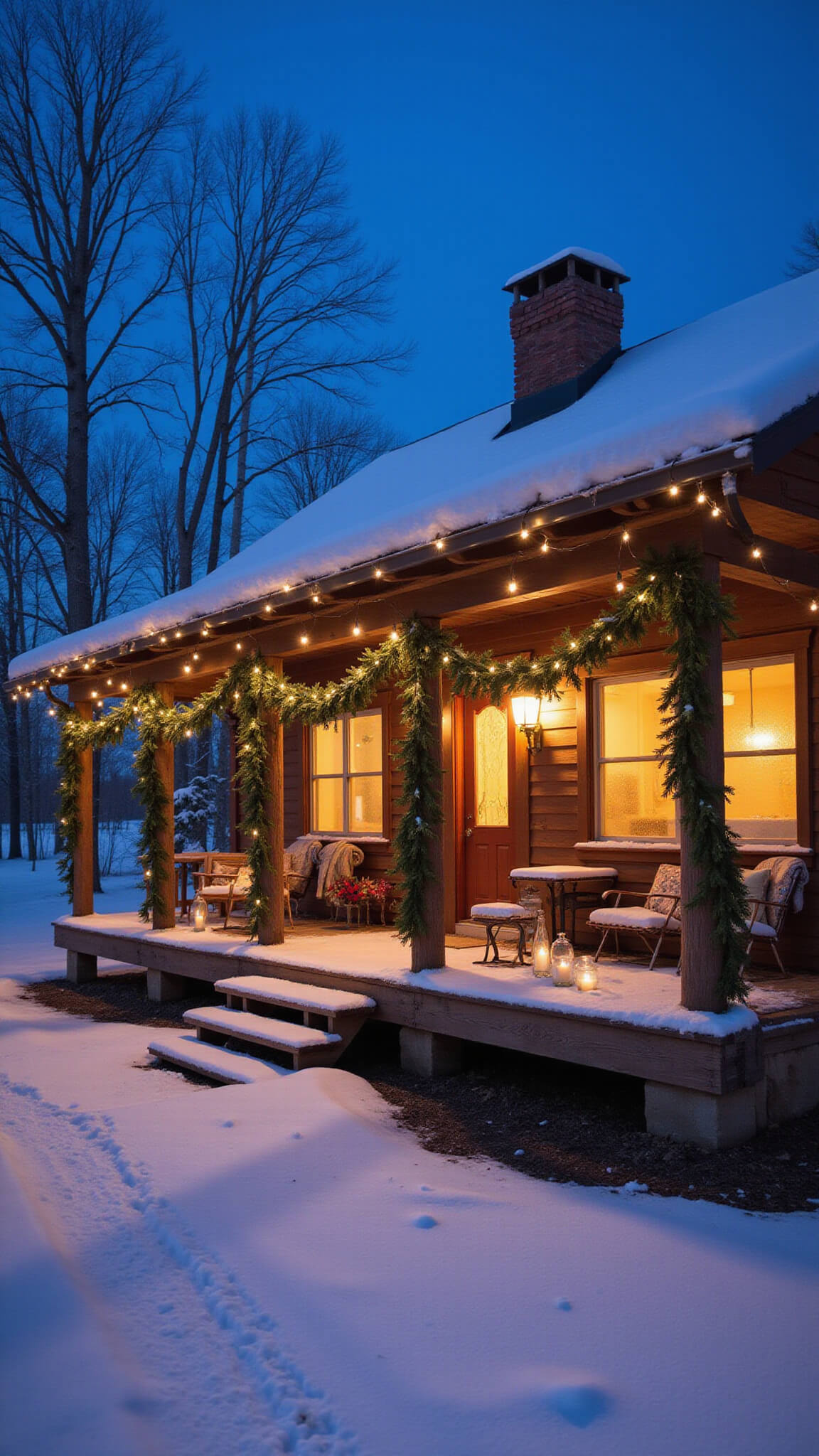
★ Steal This Look
- Paint Color: PPG Winter’s Breath PPG1001-1 for crisp white cabin siding; PPG Forest Pine PPG1135-7 for deep green shutters and trim accents
- Furniture: Weathered Adirondack chairs for summer porch lounging; compact wooden storage bench with wool cushion for winter entryway
- Lighting: Warm white LED string lights with vintage Edison bulbs for year-round porch ambiance; battery-operated flickering lanterns for winter window displays
- Materials: Cedar window boxes with galvanized liners; chunky knit wool and faux fur textiles; weather-resistant burlap ribbon; fresh and dried evergreen branches
There’s something deeply satisfying about watching your cabin transform with the seasons—those first summer blooms in window boxes or the glow of evergreen garlands against snow makes the exterior feel alive and loved year-round.
Common Mistakes to Avoid
Design Pitfalls That Can Ruin Your Cabin’s Look:
- Overcrowding exterior spaces
- Ignoring natural surroundings
- Mismatched color schemes
- Neglecting maintenance
Final Thoughts
Your small cabin exterior is an opportunity to create a personal sanctuary that reflects your connection with nature. With thoughtful design, strategic styling, and a bit of creativity, you can transform even the most modest space into a breathtaking retreat.
Pro Tip: Always design with your environment in mind. Let the landscape guide your aesthetic choices.
Quick Action Checklist
- [ ] Assess current exterior
- [ ] Set realistic budget
- [ ] Choose design style
- [ ] Select color palette
- [ ] Plan seasonal adaptations
Ready to turn your cabin into a showstopper? Let’s make it happen!