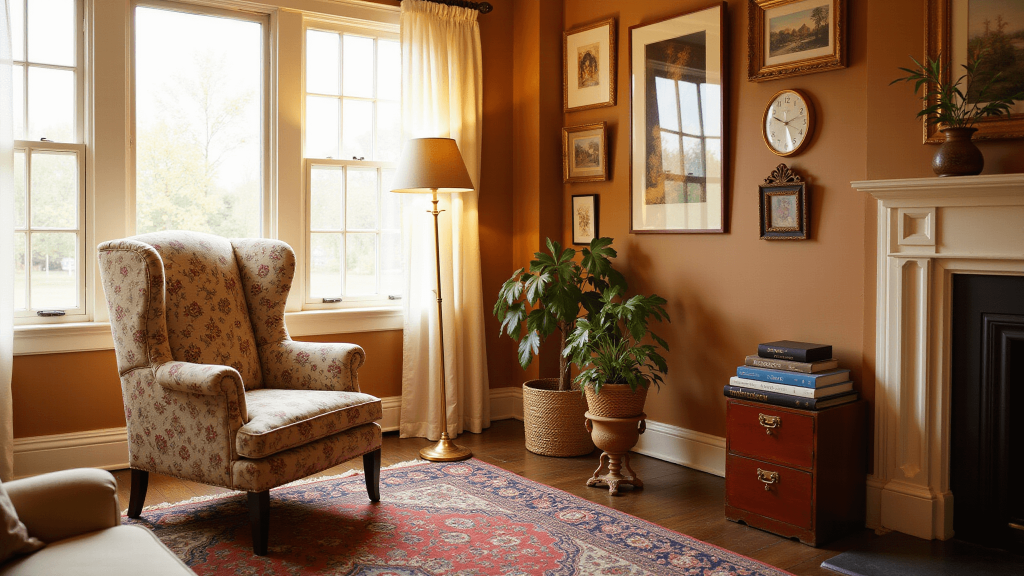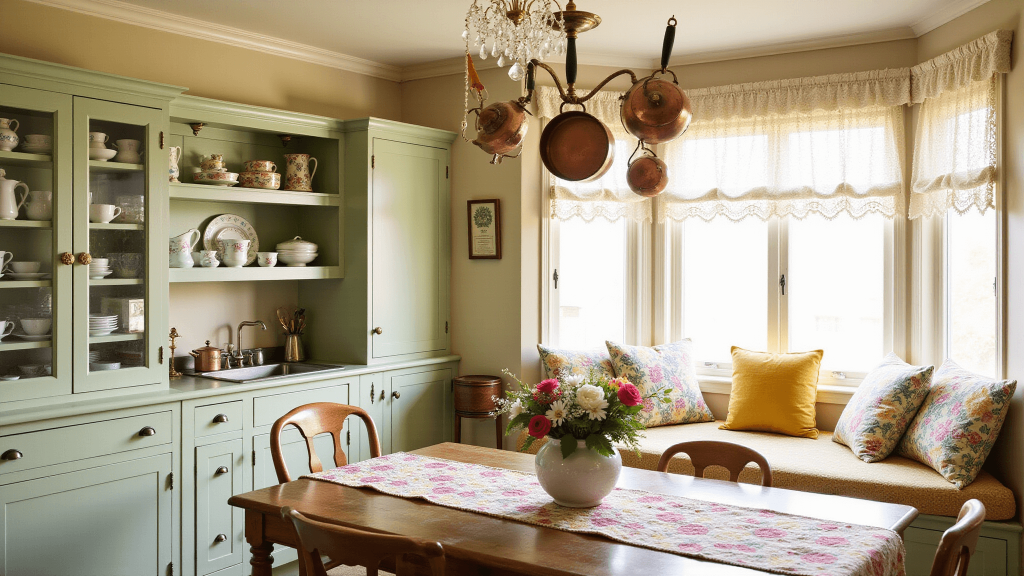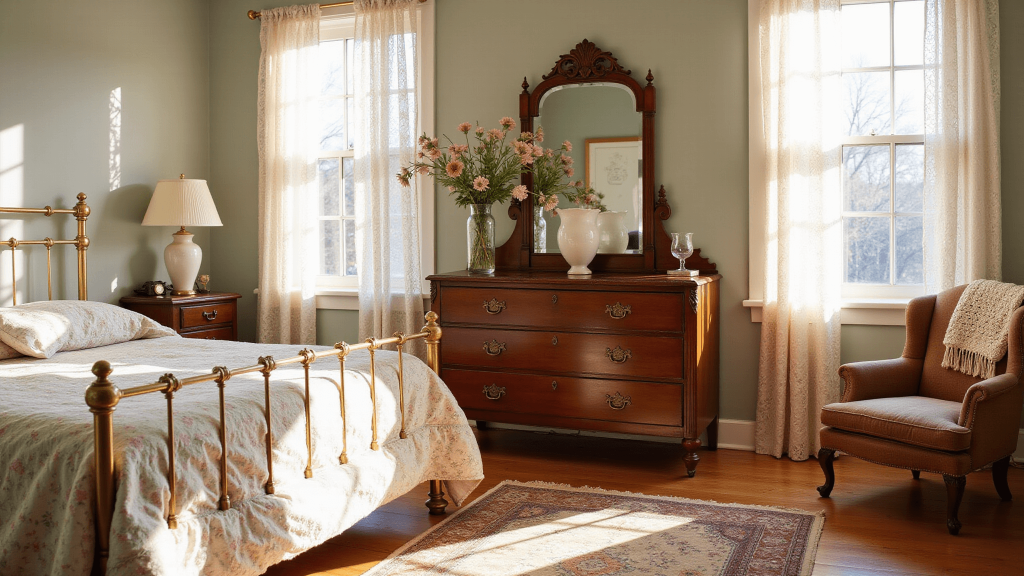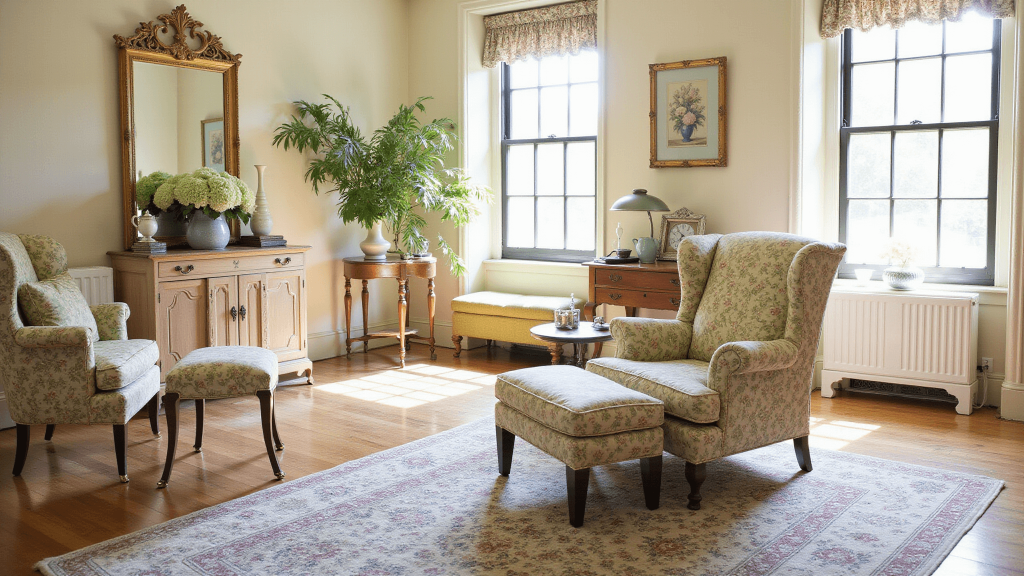
What Makes a Transitional Living Room So Special?
I set a client’s living room with a low linen sofa and one warm lamp, and the space finally felt like a place to sit. transitional living room work when the soft textile meets a single rounded shape, so the room reads as inviting instead of staged.
Imagine a design style that’s like the diplomatic mediator of home decor. It doesn’t pick sides between traditional and modern – it brings them together in a gorgeous, harmonious dance.
The Magic Formula: Blending Old and New
Key Elements That Define Transitional Style:
- Neutral color palette that whispers, not shouts
- Furniture that’s comfortable but never frumpy
- Textures that add depth without overwhelming
- Lighting that’s both functional and fabulous
- Minimal decor that speaks volumes

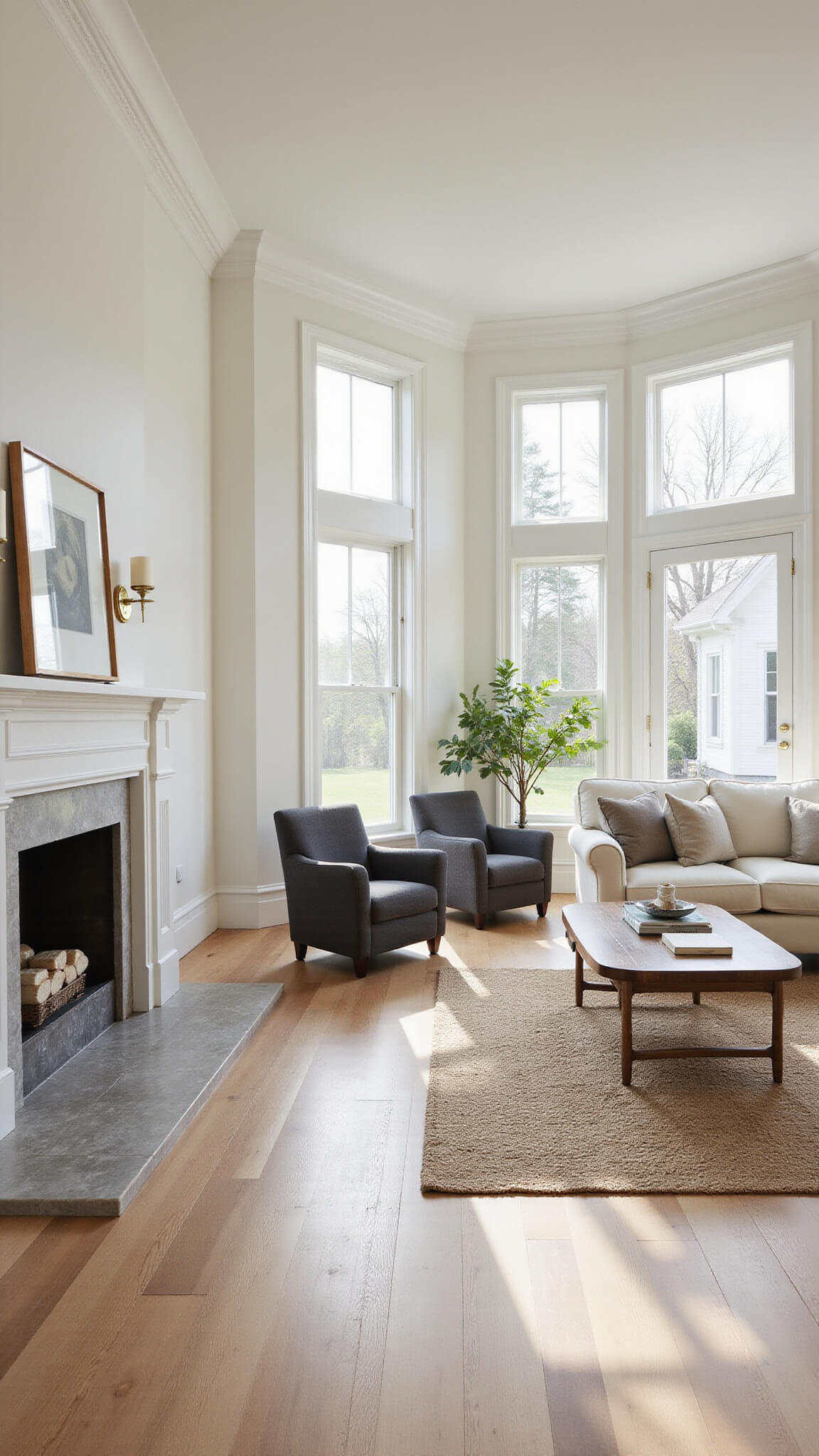
🎨 Steal This Look
- Paint Color: Sherwin-Williams Agreeable Gray SW 7029
- Furniture: rolled-arm sofa in performance linen, turned-leg coffee table with clean lines, leather accent chair with tapered legs
- Lighting: brushed nickel drum pendant, glass table lamp with fabric shade, recessed lighting with dimmers
- Materials: warm wood tones, brushed metals, natural linen, subtle geometric patterns, soft velvet or chenille
I always tell clients that transitional design is where your inherited pieces finally get to shine—my own grandmother’s mahogany chest looks right at home against my clean-lined sectional because the surrounding palette stays restrained and cohesive.
Creating Your Dream Transitional Living Room: A Step-by-Step Guide
1. Color Strategy: Keep It Calm and Collected
Stick to a neutral playground. Think:
- Soft whites
- Warm grays
- Gentle beiges
- Subtle taupes
Pro tip: These colors are like your design Switzerland – neutral, but powerful.
2. Furniture: The Perfect Compromise
Look for pieces that:
- Have clean lines
- Maintain classic proportions
- Use modern fabrics
- Combine comfort with style
Imagine a traditional rolled-arm sofa covered in a crisp, contemporary fabric. That’s transitional design magic right there.
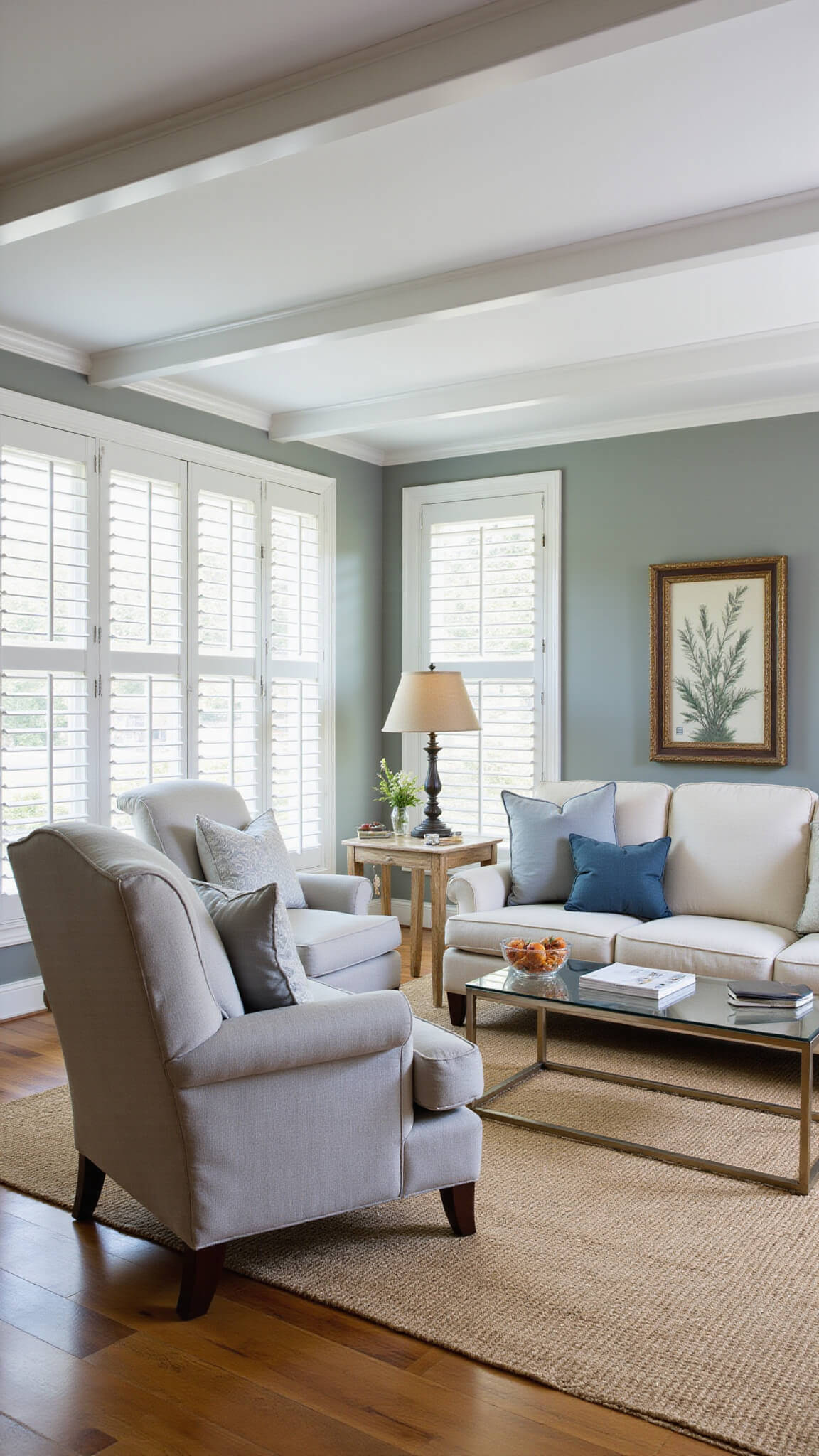
3. Texture: Layer Like a Pro
Mix and match textures to create visual interest:
- Combine a solid area rug with a patterned smaller rug
- Use different fabric weights
- Incorporate subtle textile variations
4. Lighting: Make a Statement Without Screaming
Choose light fixtures that:
- Blend traditional shapes
- Feature contemporary finishes
- Act as functional art pieces

5. Decor: Less is Definitely More
Keep accessories minimal but meaningful:
- Select a few statement pieces
- Avoid cluttering surfaces
- Focus on quality over quantity
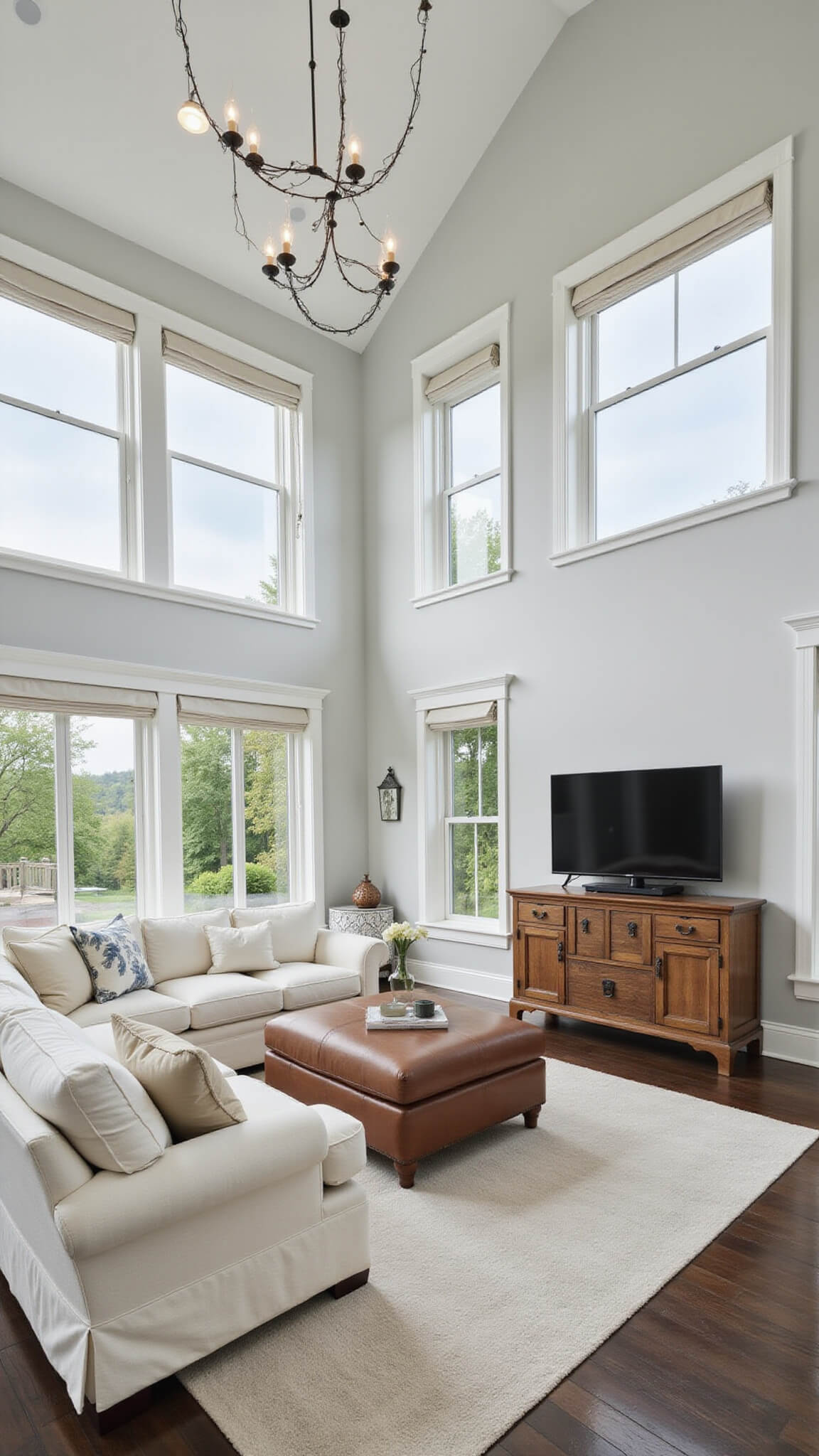
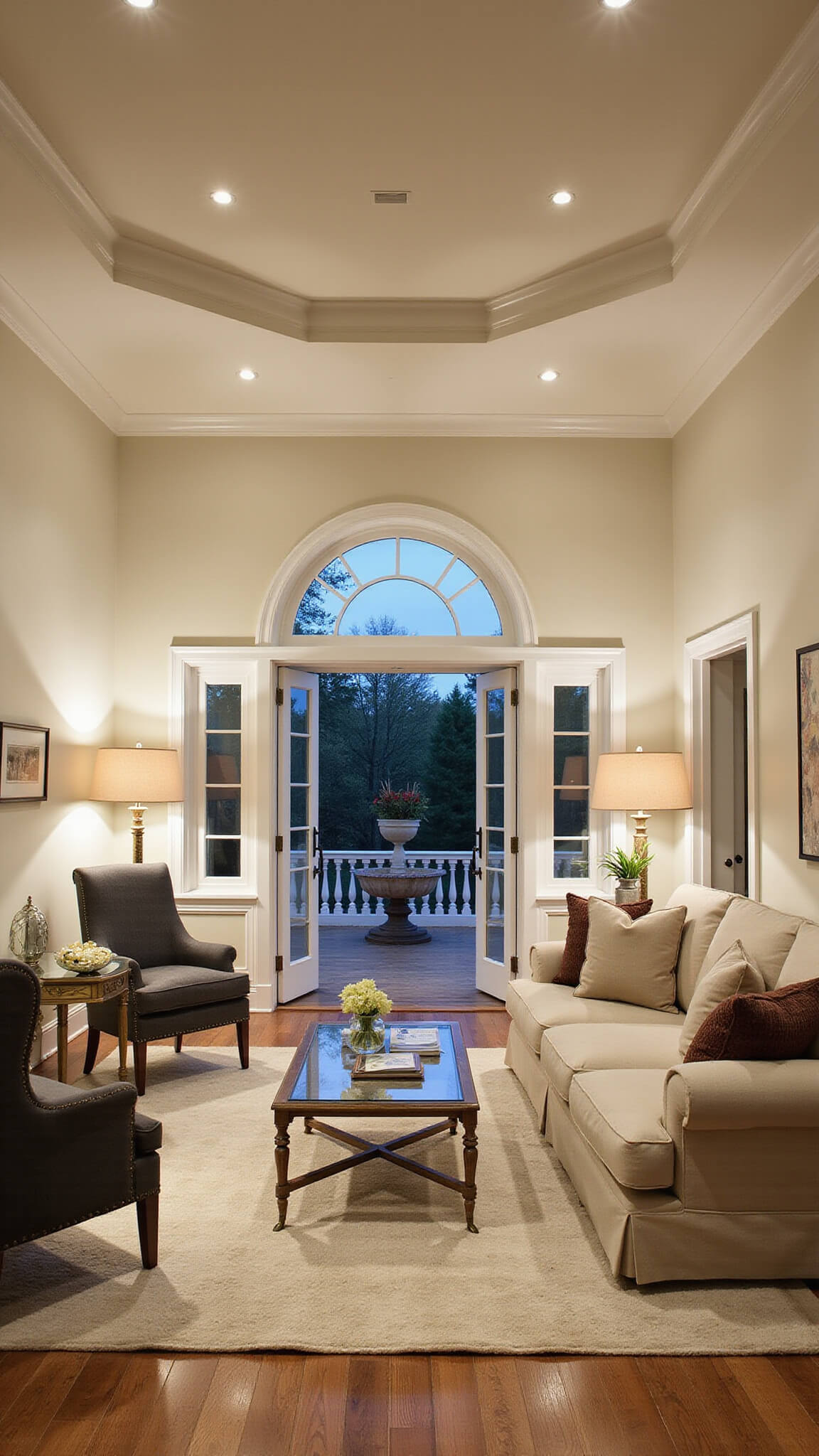
✎ Steal This Look
- Paint Color: Benjamin Moore Classic Gray OC-23
- Furniture: Rolled-arm sofa in crisp linen or performance velvet, paired with streamlined wood coffee table with tapered legs
- Lighting: Brushed brass or oil-rubbed bronze semi-flush mount with clean drum shade, or modernized traditional chandelier with simplified silhouette
- Materials: Woven natural fiber rugs, brushed metal accents, light oak or walnut wood tones, linen and cotton textiles with subtle texture
This is the look I recommend when clients say they want their home to feel ‘pulled together but not stuffy’—it honors traditional comfort without feeling like a museum, and the neutral base means you can evolve accent pieces seasonally without repainting.
Where to Find Inspiration
Stuck? Check out these design resources:
- Houzz
- Interior design magazines
- Furniture retailer websites like Belfort Furniture
🏠 Steal This Look
- Paint Color: Farrow & Ball Wimborne White No.239
- Furniture: transitional living room with tailored track-arm sofa in performance linen, paired with turned-leg wood accent chairs
- Lighting: mixed-metal floor lamp with linen drum shade and aged brass accents
- Materials: warm white oak flooring, brushed brass hardware, textured wool blend rugs, and matte ceramic accessories
I still have the first interior design magazine I ever bought—thumbed to death with dog-eared pages—and there’s something irreplaceable about the intentionality of flipping physical pages that scrolling can’t replicate.
Common Mistakes to Avoid
- Don’t mix too many competing styles
- Avoid overcrowding the space
- Stay consistent with your color palette
- Balance is key
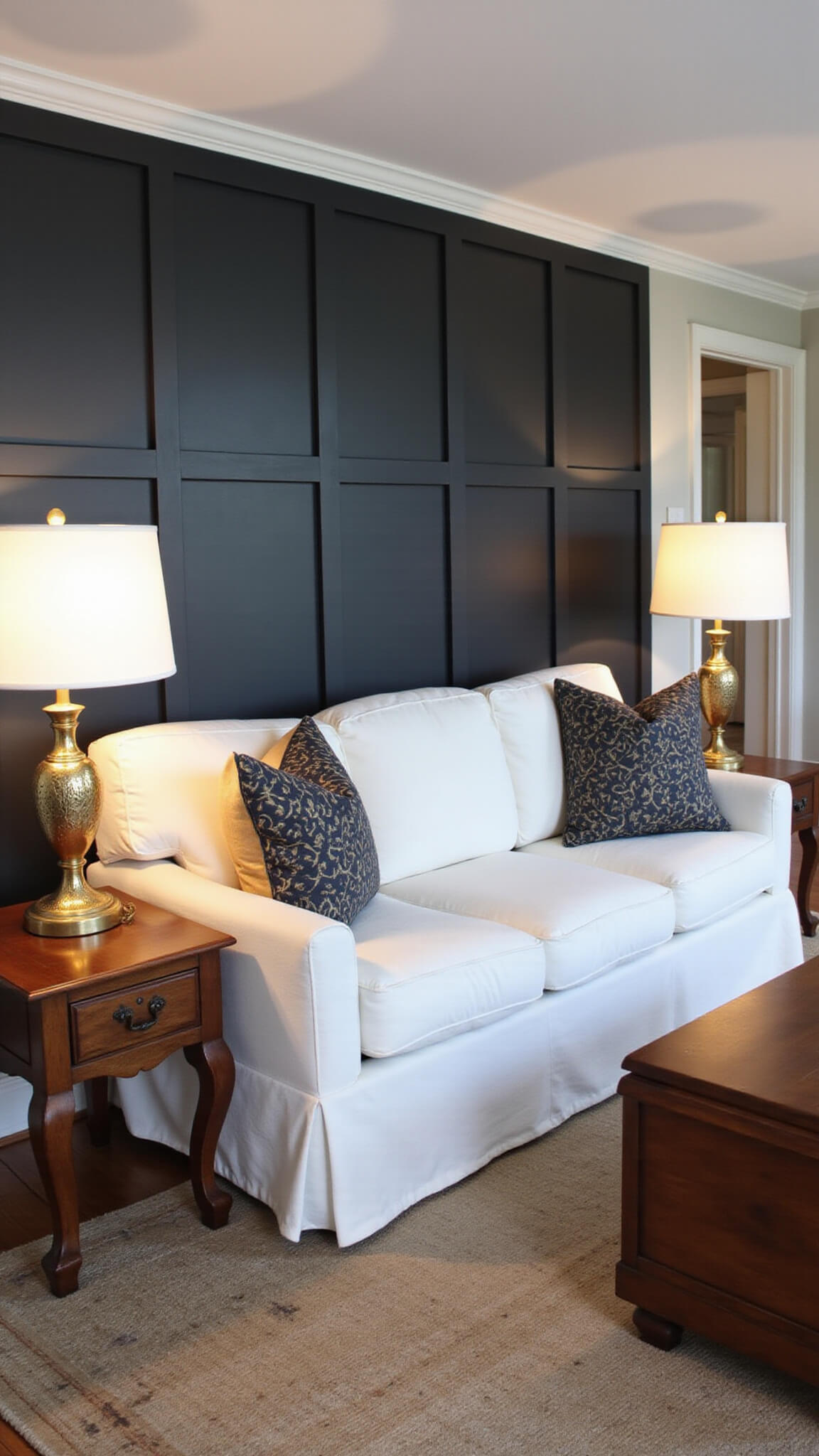
💡 Steal This Look
- Paint Color: Behr Swiss Coffee 12
- Furniture: Streamlined sofa with clean lines, mid-century inspired wood coffee table, tailored armchairs with tapered legs
- Lighting: Brushed nickel drum pendant, table lamps with linen shades
- Materials: Woven wool textiles, light oak wood, brushed metal accents, natural linen
I’ve seen too many transitional spaces feel stuck between eras because homeowners played it too safe—embrace the tension between classic and current, but commit fully to your choices rather than hovering in design limbo.
My Personal Transitional Living Room Hack
I once transformed my living room by painting wood paneling a soft gray and adding a modern geometric rug. The result? A space that felt both familiar and fresh.
The Bottom Line
A transitional living room isn’t just a design choice – it’s a lifestyle. It’s about creating a space that feels timeless, comfortable, and uniquely you.
Quick Recap:
- Neutral colors
- Balanced furniture
- Layered textures
- Minimal decor
- Blend of traditional and modern
Pick the one object you reach for daily and build the room around it. transitional living room feel right when the pieces relate to each other instead of filling every gap.